Your Cart is Empty




A bra can look perfectly fine in the mirror at 8 a.m. and feel completely different by lunch. Straps start to bite, an underwire presses into your ribs, or the band creates lines beneath a favorite top. When comparing a bralette vs traditional bra, the better choice is not about following a trend. It is about finding the support, coverage, smoothing, and comfort that work for your body and your day.
For many women, the most useful answer is not choosing one style forever. A bralette and a traditional bra solve different fit concerns. Knowing where each one shines can help you build a bra drawer that feels as good as it looks.
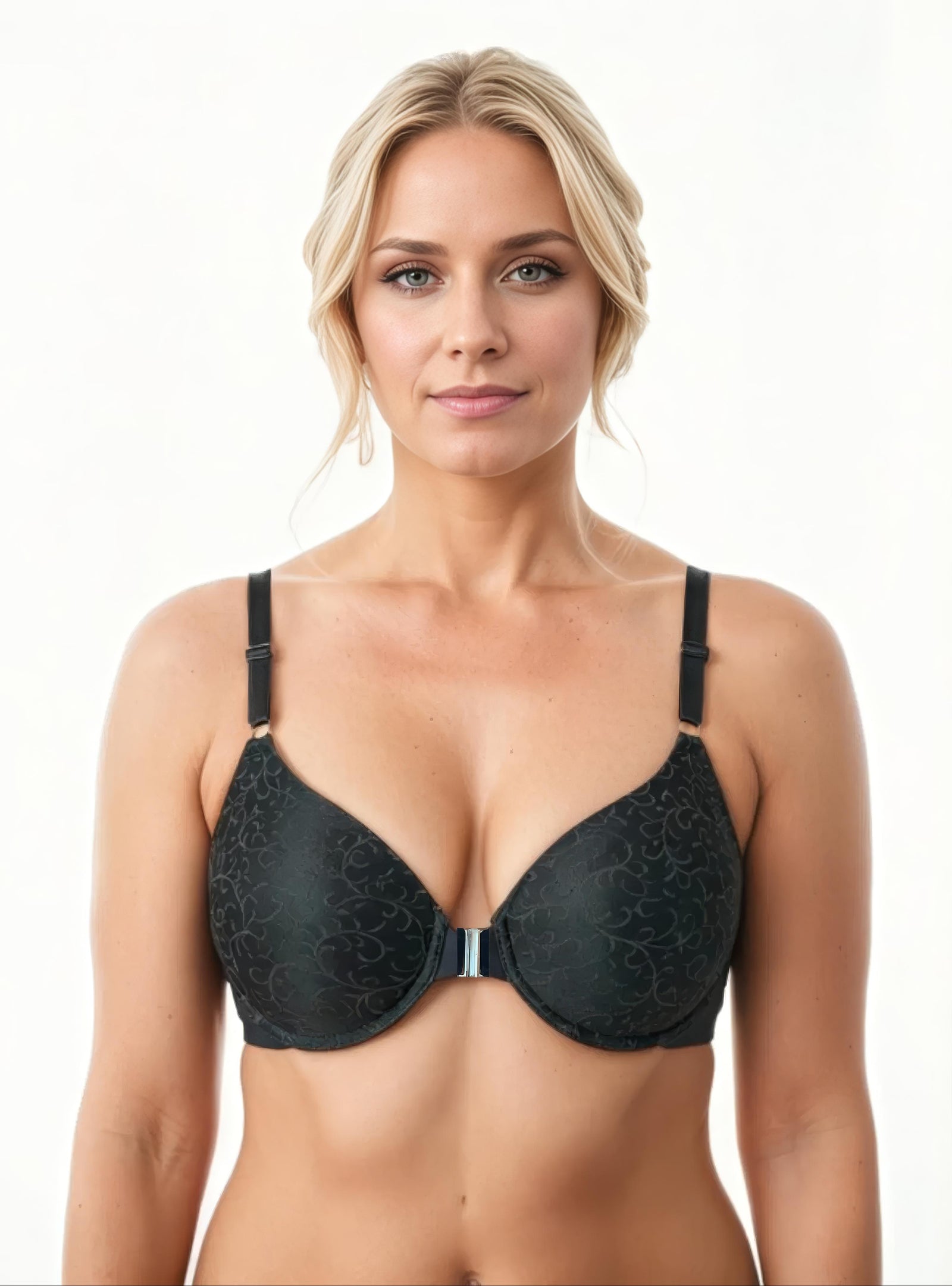
A traditional bra is generally built for structured support. It often has molded or seamed cups, adjustable straps, a hook-and-eye closure, and sometimes underwire. Its purpose is to lift, shape, separate, and support the bust, especially under fitted clothing or during longer, more active days.
A bralette is usually softer and less structured. Many bralettes are wire-free and rely on stretch fabric, wider bands, layered construction, or light removable pads rather than a rigid cup and underwire. They are designed to move more naturally with the body and can feel less restrictive.
That does not mean every traditional bra is uncomfortable or every bralette is low-support. Construction matters more than the label. A thoughtfully engineered wire-free bra can offer meaningful support, while a poorly fitting underwire bra can create pressure, gapping, and unwanted lines.
A bralette can be an excellent choice when comfort is the priority and you do not need maximum lift or a highly defined bust shape. It is often ideal for working from home, running errands, traveling, lounging, or wearing under relaxed knits and casual layers.
The appeal is easy to understand. Without a wire pressing beneath the bust, a well-made bralette can feel gentler on the rib cage. Soft, flexible fabrics may also be more comfortable for women whose size fluctuates, including during menopause, after weight changes, or at times when the body simply feels more sensitive.
Bralettes can also be a smart option for sleeping, though personal preference matters. Some women prefer light support at night, while others want no bra at all. If you do wear one to bed, look for a smooth, non-restrictive band and soft fabric that does not bunch or roll.
The trade-off is shaping. A bralette may create a more natural silhouette instead of a lifted, separated look. For smaller busts, that may be exactly right. For fuller busts, it depends on the bralette's band, cup depth, strap width, and fabric recovery. A flimsy, one-layer pull-on style may not offer enough stability, but a wire-free design with full coverage and a supportive underband can be a very different experience.
Traditional bras are often the go-to for days when you want more lift, definition, and dependable support. If you wear tailored shirts, dresses with a shaped bodice, or thinner fabrics that show every detail, a structured bra can provide the silhouette you prefer.
They can be especially helpful for larger busts because the cup and band work together to distribute weight. A properly fitted traditional bra may reduce shoulder strain, keep the bust comfortably contained, and help clothing hang more smoothly from the chest.
But structure should not mean discomfort. If your bra leaves deep marks, pokes at the underarm, rides up your back, or makes you count the minutes until you can take it off, the issue may be fit or construction rather than your body. A band that is too loose forces straps to carry too much weight. Cups that are too small can cause spillage at the top or sides. Underwire that sits on breast tissue instead of around it can feel unbearable.
A traditional bra may also create visible back and side bulges when the band is narrow, overly tight, or placed where it cuts into soft tissue. That is a garment problem, not a body problem. Wider back coverage and smoothing construction can make an immediate difference under clothes.
It is easy to assume underwire is the only path to support, but support comes from several elements working together. The band does most of the lifting, while the cups, straps, fabric, and overall design help keep everything comfortably in place.
For a supportive bralette, look for a firm but flexible underband, wider straps, enough coverage to prevent spillover, and fabric that springs back rather than stretching out after an hour. A front closure can also make dressing easier for women with limited shoulder mobility or arthritis, though it should still provide a secure, stable fit.
For a traditional bra, check that the center front rests comfortably against the body, the band stays level across your back, and the wire or cup edge does not pinch. You should be able to breathe, bend, reach, and sit without feeling like the bra is fighting you.
The best fit often feels unremarkable. You are supported, your clothes lie better, and you stop thinking about your bra.
For women frustrated by visible lines, back bulge, or side spill, the comparison between a bralette and a traditional bra needs one more question: how does the bra handle the area beyond the cups?
A narrow band can squeeze soft tissue and create a segmented look under tops, even if the cups fit well. A wider, smoother back design spreads tension over a larger area instead of concentrating it in one narrow strip. The result can be a cleaner line beneath T-shirts, blouses, dresses, and lightweight sweaters.
This is where a supportive wire-free bra can offer a meaningful middle ground. It can provide the ease associated with a bralette while adding more coverage and shaping than a basic pull-on style. Shapeez was built around this kind of problem-solving, with patented back-smoothing construction designed to help reduce the lines and bulges that conventional bras can leave behind.
Smoothing is not about hiding your body. It is about choosing a garment that does not dig in, roll up, or distract from the way you want to feel in your clothes.
Start with the situations that make you unhappy with your current bras. If you need a bra for long workdays, formal outfits, or higher-support needs, a traditional bra or structured wire-free alternative may be your strongest option. If you want something soft for casual days, travel, or recovery time at home, a bralette may earn a permanent place in your rotation.
Then consider your non-negotiables. Full-bust shoppers may prioritize containment and wide straps. Women with sensitive ribs may want wire-free comfort. If back and side smoothing are your biggest concerns, pay close attention to the band width and the way the garment wraps around the torso, not just how the cups look from the front.
Try on bras later in the day if possible, when your body is closer to how it feels after hours of movement and normal swelling. Raise your arms, twist, sit down, and put on a thin top over the bra. A great fit should stay in place without pinching, gapping, rolling, or creating lines you do not want.
The bralette vs traditional bra question has no universal winner. A soft bralette can bring welcome relief on a slow Sunday, while a fuller-coverage, smoothing bra may help you feel composed and supported in a fitted dress on Monday. Your needs can change from outfit to outfit and from season to season.
Give yourself permission to choose comfort without giving up support, and support without accepting discomfort. The right bra is the one that lets you move through your day feeling held, smooth, and completely at ease in your own skin.