Your Cart is Empty




Some bras feel fine in the fitting room, then spend the rest of the day riding up, digging in, gaping at the cup, or showing every line under your top. A real guide to everyday bra support starts there - with what actually happens after you leave the house. Support is not just about lift. It is about comfort, coverage, smoothing, and how confidently your clothes sit on your body from morning to night.
For many women, the biggest frustration is not a dramatic fit failure. It is the steady annoyance of a bra that almost works. Maybe the straps keep slipping. Maybe the back band creates visible bulges under knits and tees. Maybe the cups support you well enough, but the whole bra feels like something you cannot wait to take off. Everyday support should ask less from you. It should do its job quietly, comfortably, and consistently.
When women think about support, they often focus on cup size or whether a bra has underwire. Those things matter, but they are only part of the picture. Everyday support comes from the total design of the bra - how the band anchors, how the sides contain tissue, how the straps distribute weight, and how the fabric smooths without feeling restrictive.
That is why two bras in the same size can feel completely different. One may lift well but dig at the shoulders. Another may feel soft but offer very little shaping. The best everyday bras balance several jobs at once. They support the bust, reduce strain on the shoulders, create a cleaner look under clothing, and stay comfortable through long wear.
For fuller busts, support usually depends more on structure than on tightness. A bra that feels aggressively tight is not always more supportive. In many cases, a wider underband, fuller side coverage, and better distribution through the back and straps will do more than simply sizing down.
The easiest way to judge a bra is not by the label or promise on the tag. It is by what your body feels after a few hours of wear. If your bra leaves deep marks, shifts throughout the day, or creates bulges where you do not want them, it is not giving you the kind of support most women need every day.
Start with the band. The band is the foundation of support, and if it rides up in back, the bra is likely too loose or not designed to anchor properly. If it pinches sharply and creates excessive spillover, it may be too tight or too narrow for your shape. A supportive band should feel secure, stay level, and help carry the weight of the bust without forcing the straps to do all the work.
Next, look at the cups. Good everyday cups should contain breast tissue fully without cutting across the top or leaving empty space. Gaping can happen when a cup is too large, but it can also happen when the cup shape simply does not match your breast shape. That is an important difference. Sometimes the size is right, but the construction is wrong.
Straps matter too, just not in the way many women think. Tightening the straps is a common fix when a bra feels unsupportive, but overly tight straps usually create shoulder pressure without solving the real issue. Support should come from the full garment. Straps should stabilize and assist, not bear the entire load.
Then there is the part many traditional bras ignore - smoothing. Side bulge, back bulge, and visible bra lines can change how clothing drapes, even when the cups fit well. For women who want everyday support that also improves the look of tops, dresses, and lightweight fabrics, smoothing is not extra. It is part of fit.
A lot of women have been taught to accept discomfort as proof that a bra is working. If it feels firm, structured, and a little annoying, it must be supportive. But that trade-off is often a sign of outdated design rather than effective support.
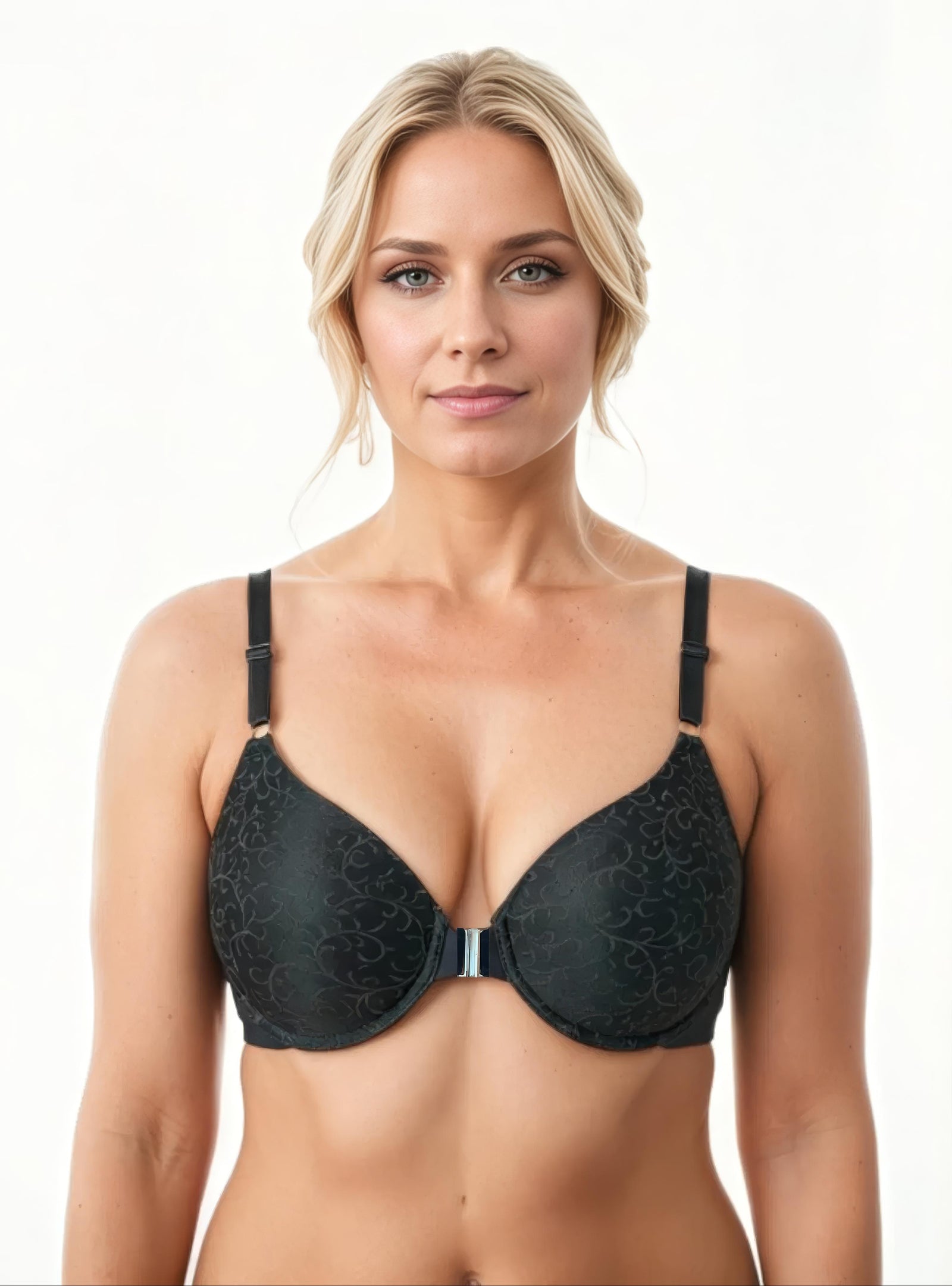
Support can absolutely feel comfortable. In fact, the bras women wear most often are usually the ones that solve problems without creating new ones. That might mean a wire-free style with enough engineering to support the bust without poking or pinching. It might mean a front-closure design that is easier to put on and creates a smoother back. It might mean a longer silhouette that spreads support over a larger area instead of concentrating pressure in one narrow band.
This is where personal preference matters. Some women love the shaping of an underwire. Others want wire-free comfort all day. Neither choice is automatically better. It depends on your bust, your sensitivity, your wardrobe, and how you want your bra to feel by hour ten, not just hour one.
The most helpful everyday bra features are often the least flashy. Full coverage can prevent spillover and improve confidence under fitted clothing. Wider straps can reduce shoulder strain. A smoothing back can minimize visible lines and help tops lie flatter. Side coverage can help contain tissue that would otherwise press outward under the arm.
Fabric also plays a bigger role than many women expect. Stretch is useful, but too much stretch without enough recovery can lead to a bra that feels good briefly and then loses support. A supportive everyday bra should have enough give for comfort and enough structure to keep its shape through repeated wear.
Closures are another detail worth noticing. Back hooks work well for many women, but they are not the only option. Front-closure bras can be easier to fasten and often create a cleaner, flatter line across the back. For women with shoulder mobility concerns or anyone simply tired of wrestling with hooks, that can be a meaningful improvement in daily comfort.
Some of the strongest solutions today combine bra support with smoothing construction through the back and sides, reducing the need for extra shapewear layers. That kind of design can be especially helpful for women who are dealing with back bulge, post-weight-loss loose skin, or tops that cling in all the wrong places. Shapeez built its reputation around that exact need, and it is one reason so many women now look for support and smoothing in one piece instead of treating them as separate goals.
The right bra for everyday wear depends on what your days actually look like. If you sit at a desk, run errands, and want comfort under casual tops, a soft but structured wire-free bra may be your best match. If you wear more tailored clothing or want a more defined shape under workwear, you may prefer a style with more lift and contour.
If you are fuller-busted, everyday support usually means more than a standard T-shirt bra can provide. You may need higher sides, fuller cups, and a back design that smooths instead of squeezing. If you are shopping after weight changes, menopause, or changes in skin elasticity, the bra that used to work may no longer be the one that feels best. That is not a failure on your part. Bodies change, and support needs change with them.
Wardrobe matters too. Thin knits, button-down shirts, and clingy dresses reveal a lot about a bra’s construction. If visible lines and back bulge are recurring frustrations, choose with your clothes in mind, not just your measurements. The best everyday bra is the one that supports your body and helps your clothes fit the way you want them to.
If you are constantly adjusting your bra, tugging at the band, loosening the straps by midday, or changing clothes to work around visible lines, your bra is asking too much from you. The same is true if you feel supported only when the bra is uncomfortably tight.
A better solution may not be a different size alone. It may be a different construction altogether. Women who have spent years switching between stiff underwire bras and unsupportive soft bras are often relieved to find there is a middle ground. Thoughtful engineering, fuller coverage, and smoothing design can change how a bra feels and how your clothing looks without making you feel overdone or compressed.
Everyday support should feel dependable. It should help you forget about your bra, not think about it all day. When a bra fits well, smooths where you want smoothing, and supports without punishment, getting dressed becomes easier. And that kind of comfort has a way of showing up everywhere else - in your posture, in your confidence, and in how at home you feel in your own clothes.
The best place to begin is simple: pay attention to what your current bras are asking you to tolerate, because everyday support should feel like relief, not compromise.