Your Cart is Empty




A bra can look fine on the hanger and still fail the second you put on a fitted top. Maybe the cups lift well, but the band digs. Maybe the support is there, but you can see lines across your back and sides. When women compare underwire vs wireless bras, the real question usually is not which one is better in theory. It is which one feels better, supports better, and makes clothes fit better on your body.
That answer depends on more than cup size. Your shape, your sensitivity to pressure, the fabrics you wear most, and even how long you keep a bra on during the day all matter. The best choice is the one that gives you support without making you think about your bra every hour.
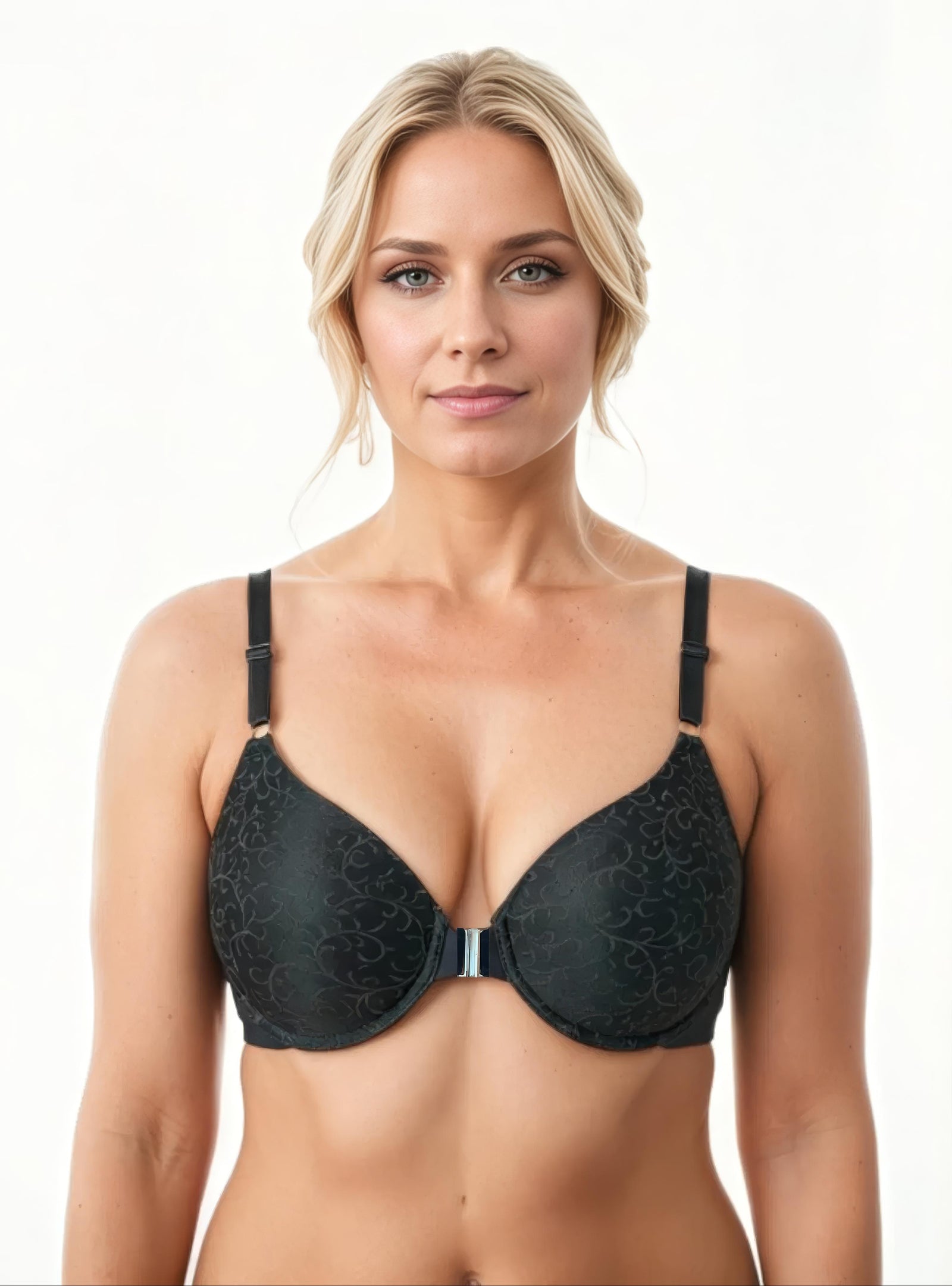
An underwire bra uses a structured wire sewn beneath each cup to help lift, shape, and separate the bust. A wireless bra relies on fabric engineering, band support, cup construction, and strap placement instead of a wire. That sounds simple, but the wearing experience can be very different.
Underwire styles have long been the default for women who want a more lifted, defined shape. For many full-bust shoppers, they can feel more secure, especially in traditional bra designs. Wireless bras, on the other hand, have come a long way. A well-designed wireless bra is not automatically less supportive. In many cases, it can feel more comfortable while still offering excellent coverage and control.
The biggest mistake is assuming the wire itself guarantees a better fit. It does not. A poorly made underwire bra can poke, shift, and create bulges. A thoughtfully engineered wireless bra can smooth, support, and stay comfortable from morning to night.
There is a reason underwire bras remain popular. For some women, they create a lifted, rounded look that is hard to match in simpler bra constructions. If you like clear separation between the breasts, want a more traditional shaping effect, or wear certain tailored tops and dresses, an underwire style may give you the silhouette you prefer.
Underwire can also feel helpful for women with fuller busts who want structure they can really notice. In the right fit, the wire should sit around the breast tissue, not on it, and the band should anchor the bra without riding up. When those details are correct, an underwire bra can feel supportive rather than restrictive.
But this is where trade-offs show up. Underwire often asks more of the fit. If the cup size is off, the wire may press into breast tissue. If the band is too tight, you may feel squeezed through the ribs and back. If the design is narrow or minimal in coverage, it may create visible lumps under clothing. So while underwire can absolutely work, it tends to be less forgiving when the fit is not exactly right.
Wireless bras appeal to women for a very practical reason: comfort that lasts. If you are tired of adjusting straps, loosening bands by lunchtime, or feeling pressure under the bust, wireless styles can be a relief. They are especially popular among women who prioritize ease of movement, softer support, and smoother everyday wear.
That does not mean settling for less. A good wireless bra uses more than stretch fabric to do the job. Wider side panels, full-coverage cups, supportive underbands, and smoothing construction all help create support without a wire. For many women, especially those bothered by back bulge, side spillover, or loose skin after weight changes, this type of design solves more than one problem at once.
Wireless bras also tend to be kinder under casual clothing, knit tops, and lightweight fabrics because they often have fewer rigid edges. If your goal is a smoother look instead of a sharply sculpted shape, wireless may be the better choice. It is often less about drama and more about feeling secure, covered, and pulled together.
One of the biggest myths in the underwire vs wireless bras conversation is that support comes from the wire alone. In reality, support comes from the whole bra working together.
The band does much of the heavy lifting. The cups need to contain the breast tissue properly. The straps should help stabilize, not carry all the weight. Side coverage matters too, especially for women who are frustrated by overflow near the underarm area. And if smoothing is a priority, the back design matters just as much as the front.
This is where many traditional bras miss the mark. A bra might lift well in front but leave visible lines, hooks, and bulges in back. That can make a fitted shirt or dress look less polished, even if the cup fit seems fine. A smoothing-focused bra design can change how your entire outfit looks, not just how your bust is supported.
Comfort is personal, but patterns do show up.
If you are sensitive to pressure, sit for long stretches, or simply dislike anything that feels rigid, wireless bras usually win on comfort. They move more naturally with the body and can feel less noticeable over long wear. This matters for everyday life, not just special occasions. The bra you wear for ten hours needs to do more than look good for ten minutes.
If you love a structured, uplifted shape and do not mind a firmer feel, underwire may still feel comfortable to you, especially in a high-quality fit. Some women genuinely prefer the held-in sensation of underwire and feel less supported without it.
The tipping point is often where discomfort shows up. If you regularly deal with poking at the center gore, rubbing under the bust, or deep strap marks because the rest of the bra is not distributing support well, wireless is worth considering. If wireless styles you have tried in the past felt flimsy, that may say more about their construction than the category itself.
Your wardrobe can help decide this for you.
Underwire bras often pair well with structured clothing, workwear, button-downs, and outfits where you want a more defined bust shape. They can create a lifted profile that works nicely under crisp fabrics.
Wireless bras are often ideal under T-shirts, sweaters, lounge sets, travel outfits, and clingy knits where smoothing matters as much as support. They can create a more natural shape with fewer visible lines. For women who want their clothes to skim rather than cling to bulges or bra hardware, this can be a major advantage.
If you wear a lot of fitted tops, the back and side design should be part of your decision. A bra that looks supportive from the front but creates indentation across the back is not doing the full job. Many women discover that once smoothing becomes part of the equation, their preferences shift.
If you want a quick rule of thumb, choose underwire if you strongly prefer a classic lifted shape, like firmer structure, and typically do well in traditional bra fits. Choose wireless if comfort, smoothing, and all-day wear rank highest on your list.
Women with fuller busts can wear either style successfully. The key is construction. Full coverage, supportive bands, and strong side support matter more than a wire alone. Mature shoppers often find that comfort needs change over time, especially if skin sensitivity, posture shifts, or fit frustrations have made old bra habits less workable.
Women dealing with back bulge, post-weight-loss softness, or visible bra lines often benefit from designs that combine bra support with shaping features. That is where brands like Shapeez have changed the conversation by treating support and smoothing as part of the same solution, not two separate garments.
If you are on the fence, your current bra is already giving you clues. If you cannot wait to take it off, if your shirt catches on back bumps, if the wire sits on tissue, or if you keep adjusting throughout the day, something is off. Support should not come with constant irritation.
The right bra should feel secure, smooth under clothes, and stay in place without punishing you for wearing it. That can be an underwire bra or a wireless bra. What matters is whether the design respects your body instead of asking your body to tolerate the design.
A helpful way to shop is to stop asking which category is supposed to be best and start asking what problem you actually need solved. More lift? More smoothing? Less digging? Better coverage? Easier daily wear? Once you get honest about that, the choice becomes clearer.
The best bra is not the one that follows old rules. It is the one that lets you move through your day with support, comfort, and a smoother silhouette you can feel good in.