Your Cart is Empty




A bra that digs into your shoulders, leaves marks by lunch, or creates a line across your back is not doing its job just because it has underwire. That is why so many women ask, are bralettes supportive? The honest answer is yes, they can be, but support comes from construction and fit, not from a wire alone.
The right bralette can offer comfortable lift, secure coverage, and a smoother look under clothing. The wrong one can feel like a pretty piece of fabric that shifts, stretches out, and leaves you readjusting all day. Knowing the difference makes shopping much less frustrating.
Many are. A well-designed bralette can be an excellent everyday option for women who want relief from rigid underwires, tight hooks, and narrow bands that create back and side bulge. But not every bralette is built for the same purpose.
A light pullover style with thin straps and a narrow elastic band may be comfortable for lounging, sleeping, or low-impact errands. It may not provide enough structure for a fuller bust, a long workday, or a fitted top that calls for a smooth silhouette. A more supportive bralette uses a wider underband, fuller coverage, stabilized fabric, thoughtfully placed seams, and straps that distribute weight rather than concentrating it on the shoulders.
Support also looks different from person to person. Some women want gentle hold and freedom of movement. Others need fuller containment, less bounce, and more shaping under sweaters, blouses, and dresses. Neither preference is wrong. The goal is a bra that feels secure without making you count the minutes until you can take it off.
A supportive bralette does not need to mimic a traditional bra. It needs to manage breast weight comfortably and keep the garment in place. Several design details matter more than the word “bralette” on the label.
The band around the torso should provide most of the support, not the straps. Look for a band that is wide enough to lie flat and stay put without rolling or pinching. A longer, smoothing band can spread gentle pressure across more of the torso, which often feels more comfortable than a narrow strip of elastic.
If the band rides up in back, the fit is likely too loose or the style does not have enough stability for your needs. If it feels painfully tight, sizing up may help, but a different construction may be the better answer. A band should feel secure, not restrictive.
Fuller cups and higher side panels can make a meaningful difference, especially for larger breasts or softer tissue. They help contain the bust from the sides and reduce the chance of spilling over the neckline when you bend, reach, or sit.
This is one reason a supportive bralette often looks different from a delicate triangle style. More coverage is not less flattering. When the breast tissue is comfortably held and centered, clothing tends to skim the body more smoothly.
Soft fabric feels wonderful, but softness alone does not equal support. The best everyday bralettes combine a comfortable hand feel with enough stretch recovery to return to shape after wear. If a bralette becomes loose after a few hours, the fabric or elastic may not have the structure needed for all-day support.
Multi-directional stretch can be especially helpful because it moves with your body while still providing gentle compression. Breathable, moisture-wicking materials are also valuable when you run warm, travel, or want a bra that stays comfortable through a busy day.
Wide straps can help prevent shoulder digging, but they are only one part of the equation. When straps are doing all the work, they can create grooves and discomfort. A good band and supportive cup area allow straps to guide the fit rather than carry the full weight of the bust.
Adjustable straps are useful when your torso is shorter or longer than average, or when one shoulder sits differently than the other. Still, no amount of strap tightening can fix a loose band or a cup that is too small.
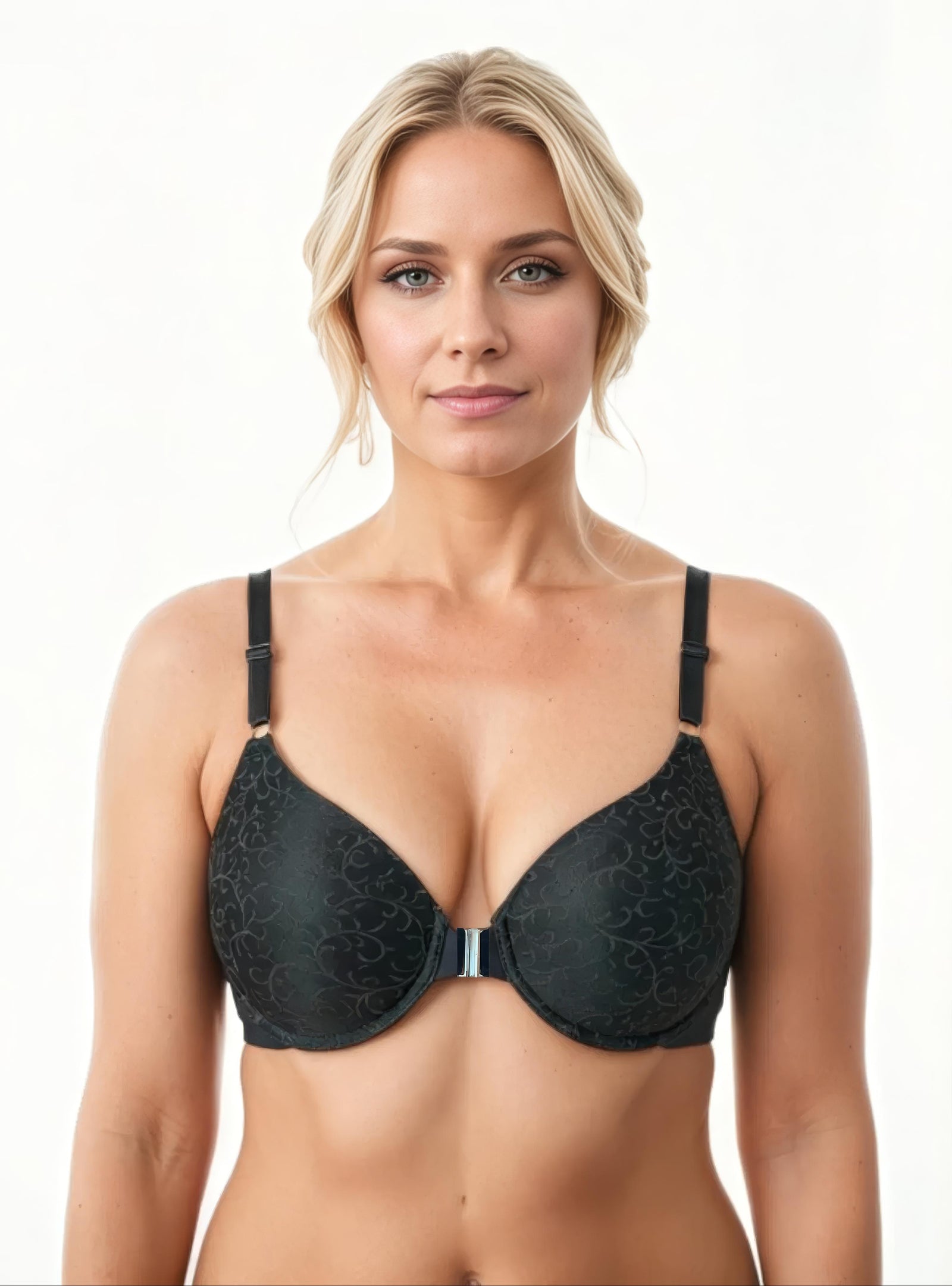
Supportive bralettes may use molded foam cups, double-layer fabric, interior slings, contour seams, or built-in shelf construction. These details can provide shape and separation without an underwire. Some women prefer non-foam styles for a more natural feel, while others appreciate foam cups for modesty and a rounded profile under thin tops.
There is no single best option. The right choice depends on whether you prioritize a natural shape, more coverage, nipple coverage, smoothing, or stronger lift.
Bralettes are not automatically the best choice for every activity or every outfit. If you are doing high-impact exercise, you will usually want a dedicated sports bra with compression, encapsulation, or both. An everyday supportive bralette can handle walking, errands, and normal movement, but it is not designed to control repetitive bounce during running or intense workouts.
You may also prefer a structured bra for a very specific look, such as dramatic lift under a formal dress or a highly defined shape under tailored clothing. That does not mean you need to return to an uncomfortable bra every day. It simply means different garments serve different jobs.
For fuller-bust shoppers, the issue is often not whether a bralette can work. It is whether the brand has designed it with enough coverage, band support, and size range to work for them. Avoid assuming that a stretchy one-size style will deliver the same support as a purpose-built full-coverage bralette.
A supportive bralette should feel secure from the moment you put it on. It should not require constant pulling down, tucking in, or repositioning. Take a few moments to move in it before removing the tags. Raise your arms, lean forward, sit down, and twist from side to side.
The underband should stay level around your body. The bust should remain comfortably contained without cutting in at the top, sides, or underarms. Your breasts should not slip beneath the band, and the straps should not slide off or leave deep marks by the end of the day.
Pay attention to how your clothes look, too. A good bralette should help your top lie smoothly rather than adding visible lines or creating a squeezed-in effect across the back and sides. For women who are tired of bra bulge, this is where a smoothing, longer-line design can be especially valuable.
Shapeez designs wire-free options with the same problem-solving mindset behind its patented back-smoothing bra construction: comfort should not require giving up support or a flattering fit.
Before you shop, think about how and when you will wear the bralette. A soft sleep bralette, an everyday smoothing bralette, and a workout bra may all be wire-free, but they should not be expected to perform the same way.
For regular daily wear, prioritize a supportive band, ample coverage, stable stretch fabric, and straps that feel comfortable over several hours. For fuller breasts, look for styles specifically designed with fuller coverage and broader support zones. For close-fitting clothing, consider a seamless or smoothing design that extends farther around the back and sides.
Be open to trying more than one size if you are between sizes or have recently experienced weight changes. Breast shape and ribcage fit can change over time, and finding a better fit is not about forcing your body into a number. It is about choosing the garment that supports the body you have right now.
A bralette should make getting dressed feel easier. Choose one that stays in place, feels kind to your shoulders and back, and lets you move through the day with one less thing to think about.