Your Cart is Empty




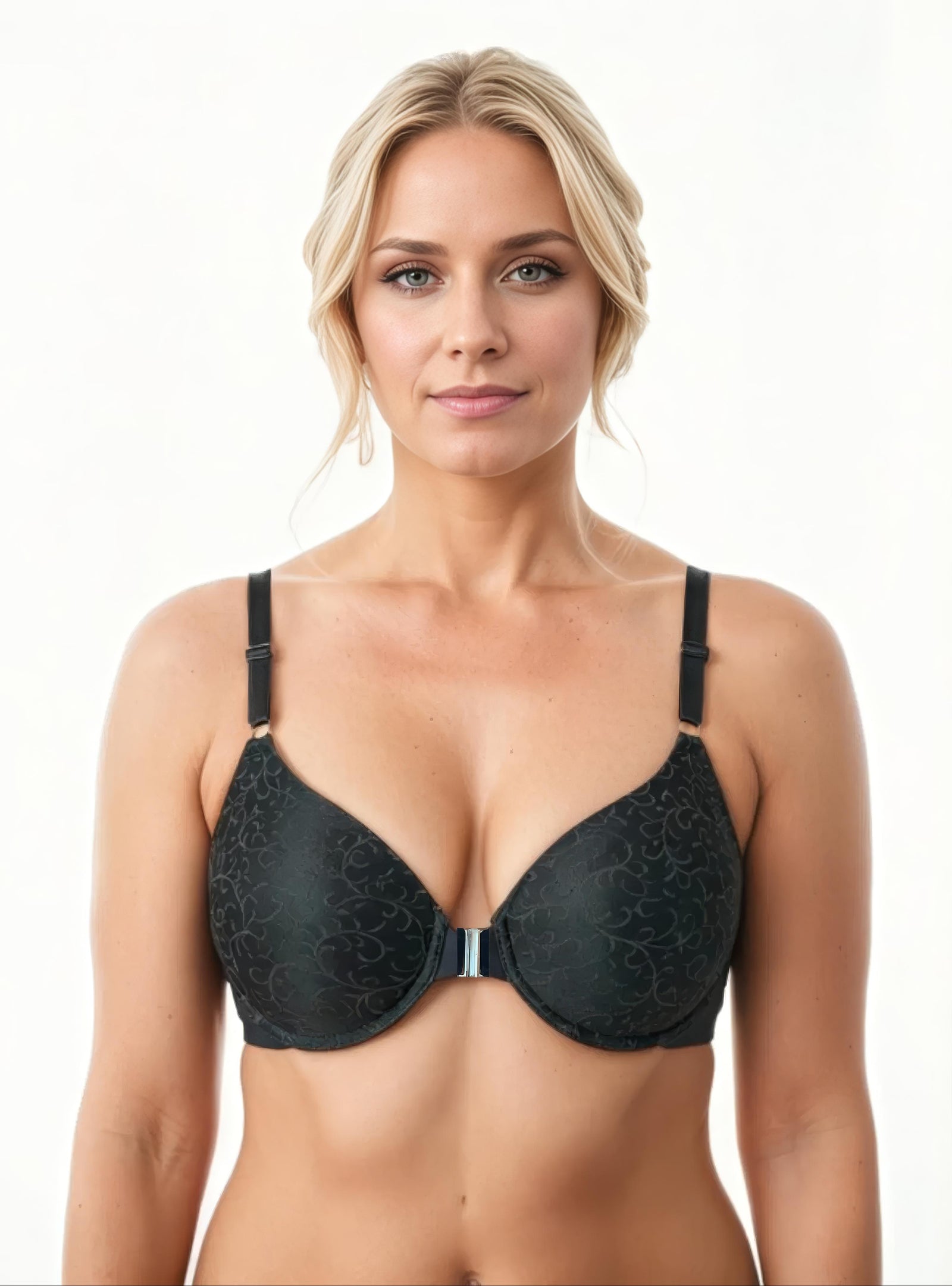
A bra can look fine on the hanger and still fail the second you put on a T-shirt. Cups gap, side tissue spills, straps dig in, and suddenly “supportive” feels like a daily fight. That is why so many women start searching for the best bras for full coverage - not for extra fabric, but for a better fit, better shaping, and a smoother silhouette under real clothes.
Full coverage is often misunderstood. It does not mean bulky, restrictive, or matronly. A well-designed full coverage bra should do three things at once: hold you comfortably, cover you where you want coverage, and create a clean line across the back and sides. If it only covers the front but leaves side bulge or visible bra lines, it is not really solving the problem.
The best full coverage bras do more than contain breast tissue. They account for how a bra sits across your entire upper body. That includes the cups, of course, but also the band, side panels, straps, and back construction.
Coverage starts with cup shape. A fuller cup can help prevent spilling at the neckline and sides, especially for women with a larger bust, softer tissue, or asymmetry. But cup height alone is not enough. If the center front does not sit properly or the side support is weak, you may still get shifting, rubbing, or that pushed-out feeling under the arms.
The band matters just as much. Many women focus on straps when they want more support, but the band does most of the work. A wider, smoothing band usually gives a more secure feel and a more flattering finish under tops and dresses. This is especially important if you are bothered by back bulge, post-weight-loss loose skin, or bra lines that show through fitted clothing.
Then there is comfort. The best bras for full coverage should not ask you to trade support for relief. If a bra feels good for twenty minutes and miserable by mid-afternoon, it is not the right bra. Breathable fabric, balanced stretch, and thoughtful construction make a real difference in whether you actually want to wear it all day.
A lot of bras offer coverage without really offering confidence. They may keep you tucked in, but they can also flatten in the wrong places, create pressure points, or show every seam under clothing. That is where design becomes the difference between a bra you tolerate and a bra you reach for again and again.
For many women, the real goal is not just coverage. It is support without pinching. It is smoothing without adding layers. It is a shape that feels natural, secure, and flattering under everyday clothes. If you have ever changed outfits because your bra made your back look lumpy or your top sit awkwardly, you already know this is about much more than cup size.
A strong full coverage bra should help clothing fit better. It should create a smoother line from front to back, reduce side spill, and stay in place when you move. That is especially useful under knits, button-downs, and lightweight fabrics where every line tends to show.
The right choice depends on what is bothering you most about your current bras. If your biggest issue is top spillage, look for cups that truly encapsulate rather than push everything upward. If you struggle with side bulge, focus on side coverage and a wider back. If hooks and clasps irritate you, a front-closure or pullover style may feel much easier to wear.
Women with fuller busts often benefit from bras with structured support and straps that stay anchored without overcompensating. Wider straps can help distribute weight more comfortably, but they should not be doing all the lifting. If your shoulders ache at the end of the day, the band may be too loose or the overall construction may not be supportive enough.
If you prefer a softer feel, wire-free full coverage bras can be a great option, but only if they are engineered well. Wire-free does not automatically mean less support. In many cases, thoughtful seaming, supportive fabric, and a stable underband create a secure feel without the poking and pressure that some women experience with underwire.
If your priority is a smoother look under clothes, pay close attention to the back and side design. This is where many traditional bras fall short. A bra can fit beautifully in the cups and still create visible bulges across the back. That is one reason women increasingly look for bra designs that combine full coverage with all-around smoothing rather than treating them as separate needs.
A few details consistently make a difference. Higher side panels help contain tissue that might otherwise spill outward. Fuller cups provide security and reduce gaping or cutting in. A broad, smoothing back can minimize lines and create a more even silhouette.
Fabric also matters more than many shoppers expect. A bra that is too stiff can feel restrictive, while one that is too stretchy may lose shape and support quickly. The sweet spot is fabric with enough recovery to hold you in place and enough softness to stay comfortable against the skin.
Closure style is another factor. Back-hook bras are familiar, but front-closure bras can be easier to put on and often create a cleaner back appearance. Longline and tank-style bras can offer even more smoothing, especially if you want support that blends into shapewear benefits. For women who want fewer layers under clothing, that combination can be a game changer.
Cup padding is personal. Some women want foam for modesty and shaping, while others prefer non-foam cups for a lighter feel and more flexibility. Neither is universally better. It depends on your clothing, your comfort preferences, and the silhouette you want.
One common mistake is sizing up in the band to get more comfort. It sounds logical, but it often backfires. A loose band rides up, shifts during the day, and forces the straps to work harder. The result is usually less support, not more.
Another mistake is assuming more coverage always means a less flattering look. The opposite is often true when the bra is designed well. Full coverage can create a lifted, balanced shape and a smoother line under clothing. It should feel secure, not heavy.
It is also easy to focus only on the front view in the fitting room mirror. Turn to the side. Look at the back. Put a shirt on over the bra if possible. The best fit is not just about whether the cups contain you. It is about how the bra works with your body and your wardrobe.
And finally, do not ignore comfort signals. Red marks, slipping straps, poking wires, and the urge to take your bra off the second you get home are all signs that something is off. A truly supportive bra should feel reassuring, not punishing.
For many women, full coverage and smoothing go hand in hand. You do not just want more coverage across the bust. You want a bra that helps the whole upper body look more streamlined and feel more supported. That is where patented back-smoothing designs and 360-degree construction have changed expectations around what a full coverage bra can do.
Instead of separating support from shaping, better designs bring them together. That means fewer visible lines, less back and side bulge, and more confidence in fitted clothing. It also means less layering, which can make everyday dressing simpler and more comfortable.
This is where brands like Shapeez have stood out by treating bra fit as a whole-body issue, not just a cup issue. When a bra is designed to smooth, support, and flatter from every angle, full coverage stops feeling like a compromise and starts feeling like relief.
The best bra is the one that lets you forget about your bra. It supports you without constant adjusting, smooths without squeezing, and helps your clothes fall the way they should. If your current bras leave you tugging, spilling, or hiding under thicker tops, it may be time to expect more from full coverage. You deserve comfort that works hard and confidence that feels easy.