Your Cart is Empty





A dress can fit beautifully on the hanger and still feel frustrating once you add the wrong underlayer. A bra that creates back lines, a slip that creeps upward, or shapewear that rolls at the waist can change how you feel before you even leave the house. When comparing bra slip versus shapewear, the better choice is not always the tighter one. It is the piece that gives you the support, smoothing, and coverage your outfit actually calls for.
For many women, especially those tired of bra bands that dig or multiple layers that compete with each other, a bra-and-slip hybrid offers a practical middle ground. But traditional shapewear still has a place when you want more focused control through the waist, hips, or thighs. Here is how to decide without sacrificing comfort for a smoother silhouette.
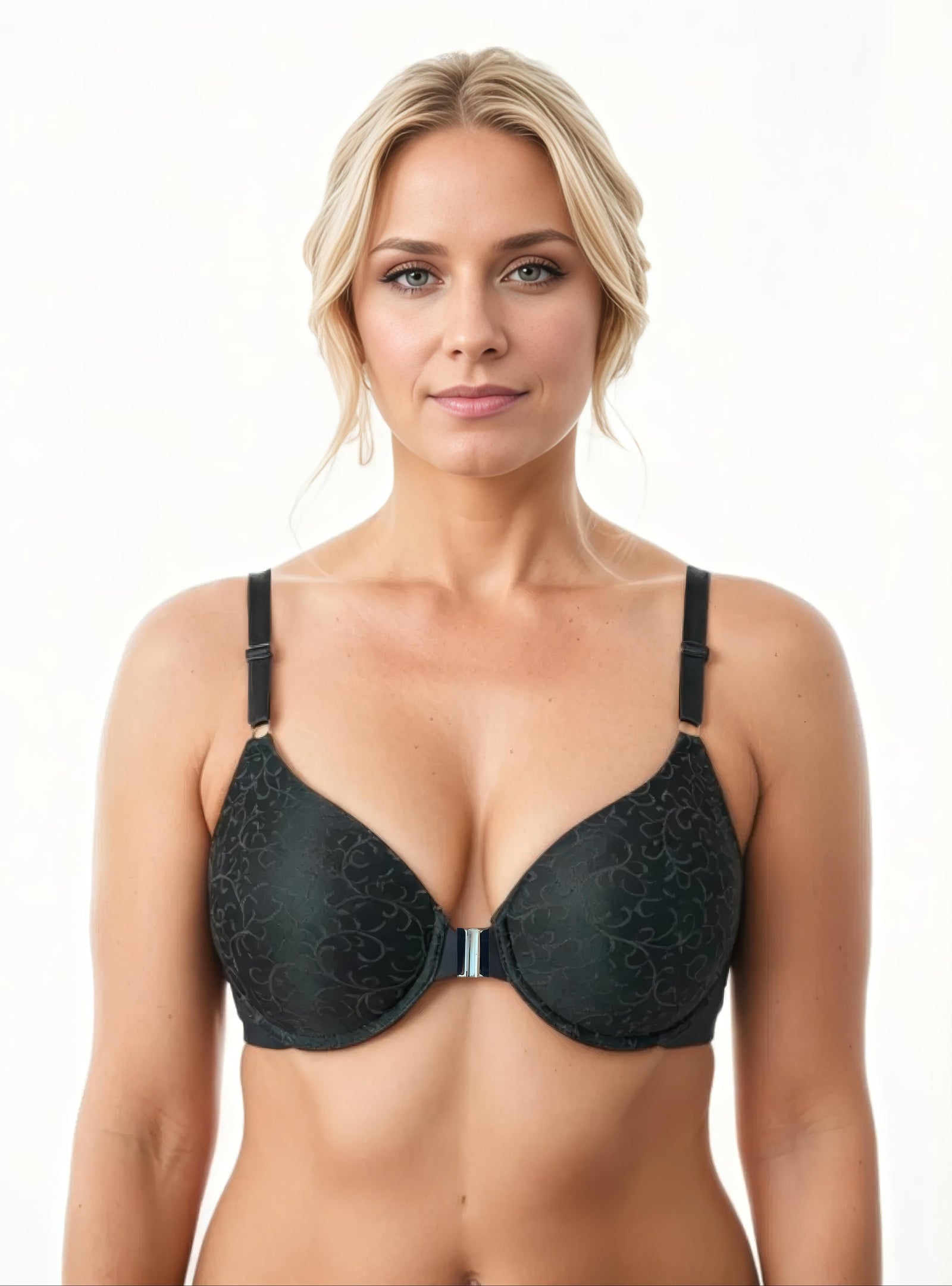
A bra slip combines bust support and a smooth, dress-ready layer in one garment. Think of it as a supportive bra with an extended body that creates a clean foundation beneath clothing. Depending on the design, it may offer full-coverage cups, smoothing around the back and sides, and a longer torso panel that helps clothing glide instead of cling.
Shapewear is designed primarily for targeted smoothing or shaping below the bust. It comes in many forms, from high-waisted briefs and shorts to bodysuits, camis, and thigh slimmers. Some styles include a built-in bra, but many require a separate bra underneath.
That distinction matters because support and shaping are not the same thing. A bra slip begins with the bust, where fit affects posture, comfort, and the way a dress hangs. Shapewear usually begins lower on the body, focusing on the midsection, hips, rear, or thighs. If visible bra lines and side bulge are your main concern, a shaping short may not solve the problem. If you want a firmer hold around your lower stomach or thighs, a bra slip alone may not provide the level of compression you want.
A bra slip is especially helpful under dresses, tunics, knit tops, and lightweight fabrics that reveal every line from the bra band to the side of the bust. It can replace the familiar but uncomfortable combination of bra, camisole, and slip with one intentional layer.
The biggest benefit is continuity. Instead of ending at a traditional bra band, a well-designed bra slip extends the smoothing effect down the torso. That can make a meaningful difference for women who experience back bulge, loose skin after weight loss, or discomfort from narrow bands and multiple hook closures.
Look for a style with enough bust support for your cup size. A slip without real structure may look smooth at first, but it will not provide the lift and security many fuller-bust women need. Full-coverage cups, wider underbust support, and a thoughtful back design matter more than a fabric that simply feels tight.
A front closure can also be a welcome feature if reaching behind your back has become difficult or uncomfortable. The right closure is not just convenient. It can make getting dressed feel less like a struggle.
A bra slip works particularly well under a sheath dress, wrap dress, work dress, mother-of-the-bride outfit, or a softly draped blouse. It is also a smart option when you want modesty under a slightly sheer fabric without adding a separate camisole.
For everyday wear, the goal is not to feel compressed from morning to night. It is to create a smooth line that lets your clothes fit the way they were meant to fit. A supportive bra slip can do that while keeping your underlayers simpler.
Shapewear is the stronger choice when your main concern sits below the bra line. Maybe you want your skirt to skim smoothly over the lower stomach, want shorts that reduce thigh rub, or prefer extra support through the hips and rear under formalwear. In those situations, the right shapewear can create a polished foundation without changing your natural shape.
The key word is targeted. You do not need maximum compression everywhere to feel confident. In fact, overly firm shapewear can make sitting, eating, and breathing uncomfortable. It may also roll, pinch, or create new lines at the edges if the size or rise is wrong.
Choose the level of control based on how long you will wear it. Light smoothing is often enough for work, dinner, or a long event. Firmer control may be useful for a fitted gown or a special occasion, but it is best saved for times when that added compression feels worthwhile.
If your shapewear does not include bust support, pair it with a bra that is comfortable on its own. This is where many outfits go wrong: a smoothing brief cannot correct a bra band that cuts across the back, and a great bra cannot stop a high-waisted short from rolling down. Each piece needs to do its own job well.
Yes, but only when each layer adds something useful. A bra slip and lower-body shapewear can work together under a formal dress when you want back smoothing, reliable bust support, and additional control through the hips or thighs. The best combination feels secure, not stacked, bulky, or restrictive.
Start with the bra slip, then add a lightweight shaping short if needed. Avoid pairing two high-compression pieces over the same part of your torso. Too much tension can cause rolling and make bathroom breaks far more complicated than they need to be.
For most everyday outfits, one well-chosen foundation garment is enough. If you are constantly layering to hide lines, it may be time to focus on the fit and construction of the first layer rather than adding another one on top.
The most flattering garment is the one you can wear comfortably for more than five minutes. Pay attention to how the fabric, support, and edges work together.
A few details make a real difference:
At Shapeez, the idea behind a back-smoothing bra is straightforward: support should not stop at the cups. A patented 360-degree smoothing design can help create a more continuous silhouette across the back and sides, so you can feel held without feeling squeezed into a costume.
Whether you choose a bra slip or shapewear, your first fitting should answer a few practical questions. Can you take a full breath? Can you sit without the garment folding into your waist? Do the cups stay in place when you raise your arms? Does the fabric lie flat under the outfit you plan to wear?
A good underlayer should feel secure and quietly supportive. It should not demand your attention all day. If you find yourself pulling it down, adjusting the straps, or counting the minutes until you can take it off, the fit, style, or compression level is not right for you.
There is also no rule saying you need shapewear for every dress or occasion. Some days call for a smooth, supportive bra slip. Some call for shaping shorts. Some call for your favorite wire-free bra and nothing else. The goal is not to make your body look smaller. It is to give your clothing a comfortable, confidence-building foundation.
The best choice is the one that lets you move through your day focused on the plans ahead, not the undergarment underneath.