Your Cart is Empty





A hem that rolls may seem like a small annoyance, until it bunches under your blouse, creates a line at your midsection, or leaves you tugging at your bra throughout the day. This guide to no roll hems explains why that bottom edge matters so much, what makes it stay put, and how to choose smoothing intimates that support you without adding another fit frustration.
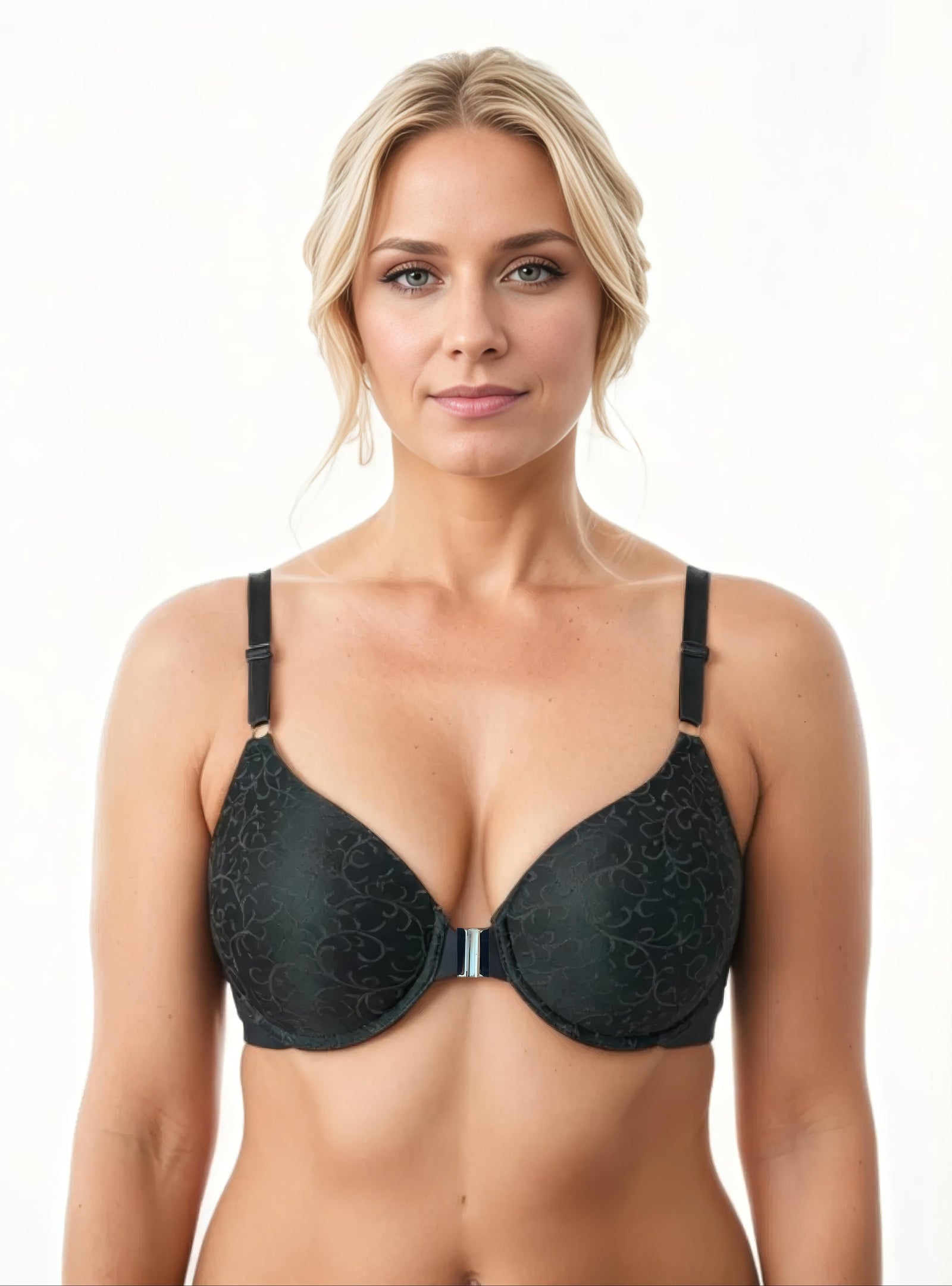
A no-roll hem is a thoughtfully designed garment edge that resists flipping, curling, bunching, or creeping upward as you move. You will often find it at the bottom of a smoothing bra, camisole, slip, shapewear brief, or longline bralette. Its job is simple: stay flat against your body so the garment can do its job.
That sounds basic, but a stable hem changes how an entire piece feels. When the lower edge rolls up, the fabric above it can shift, gather, and pull. A bra that felt comfortable when you first put it on may start riding upward. A smoothing tank may create a visible ridge beneath a fitted top. The issue is not your body doing anything wrong. It is usually a mismatch between the garment’s construction, stretch, and fit.
A well-made no-roll hem helps create a clean finish at the point where support and smoothing meet your torso. That means less adjusting, fewer distracting lines, and more confidence in how your clothing lays.
Fabric wants to move. It stretches when you bend, sits differently when you stand, and responds to heat, moisture, and everyday motion. If the bottom edge does not have enough structure to recover its shape, it can turn upward or fold over itself.
Too much tension is one of the most common causes. When a hem is overly tight, it can grip the body and roll toward the area of least resistance. This often happens when someone sizes down in shapewear in search of more control. In reality, a garment that is too small may smooth less effectively because it shifts, digs, and creates new lines.
Too little tension can cause trouble, too. A loose edge may travel upward as you walk or sit, especially on longer garments. The best no-roll design is not simply tight or wide. It has balanced stretch, recovery, and construction for the garment’s intended level of support.
Fabric weight matters as well. Very lightweight, slippery fabrics can curl if the edge is not finished carefully. On the other hand, a heavy elastic band may feel secure but can create pressure, pinching, or a noticeable line under clothing. Comfort comes from the right combination, not the strongest possible grip.
A stable hem does more than keep a garment looking neat. It helps the piece remain in its intended position, which is especially valuable in bras and shapewear designed to smooth the back, sides, and torso.
For a longline bra or bra-and-slip style, the hem helps anchor the garment so the supportive upper portion does not creep up. That can make the fit feel more dependable through a commute, an afternoon at your desk, or a special event where you would rather focus on the moment than your undergarments.
No-roll hems can also make layering easier. When the bottom of a smoothing garment lies flat, it is less likely to show through knit dresses, lightweight blouses, or close-fitting tops. The result should not feel restrictive. It should feel like your clothing is working with you.
For women with soft skin at the back or midsection, post-weight-loss changes, or a fuller bust that places more demand on a bra’s foundation, this detail can be especially meaningful. A hem should support the garment’s shape without cutting in or becoming another source of discomfort.
There is no single construction method that works for every garment. A sleep bra needs a different kind of edge than a high-support smoothing bra. Still, dependable no-roll hems usually rely on a few smart design choices.
A wider bottom finish can distribute pressure over a larger area instead of concentrating it in one narrow strip. That is often helpful in longline silhouettes and smoothing bras. But wider is not automatically better. If a band is too stiff or lands at a spot where your torso naturally bends, it may still fold when you sit.
The best placement depends on the garment’s length and your proportions. A shorter bra may need a flexible, low-profile finish, while a longer smoothing style may benefit from a more substantial hem that helps the garment remain smooth from bust to waist.
Quality stretch fabric should move with your body and return to shape afterward. This is called recovery, and it is one reason a garment can feel comfortable at 8 a.m. and still look polished later in the day.
When elastic loses recovery, hems become more likely to wave, curl, or ride. That is why construction and care both matter. A no-roll finish is not just about how it looks fresh out of the package. It is about how it performs after repeated wear.
Bulky seams can press against the body or show beneath clothing. A smoother, flatter finish helps reduce friction and keeps the edge from becoming a hard stopping point against your skin. This is particularly useful under thin T-shirts, tailored shirts, and dresses with little room to hide extra layers.
At Shapeez, comfort-focused smoothing designs pair supportive coverage with construction intended to reduce visible lines and the constant need to readjust. The goal is not to squeeze your body into a different shape. It is to help your clothes fit more smoothly while you feel supported in your own.
A no-roll hem should feel secure, not forceful. When you try on a smoothing bra or shapewear piece, stand tall, sit down, reach overhead, and take a short walk. The hem should remain mostly flat through those ordinary movements.
Look for signs that the fit needs adjusting. If the edge immediately flips upward, folds in half, or leaves a deep indentation, the garment may be too small, too short for your torso, or simply not the right silhouette for your body. If it slides upward without any resistance, it may be too large or lack enough structure for the level of activity you need.
Pay attention to where the hem lands. A style that works beautifully on one woman may hit another at a point that flexes more when she sits. This is why fit is personal. Your height, torso length, bust shape, and the way you prefer your garments to feel all influence the right choice.
If you are between sizes, do not assume smaller will deliver better smoothing. A properly sized garment usually lies flatter and feels better for longer. Support should come from intentional construction, not from excessive compression.
Different pieces call for different levels of hold. In a full-coverage smoothing bra, a no-roll hem may work as part of the foundation that helps the bra stay in place and supports a clean back and side silhouette. In a bra-and-slip hybrid, it can help keep the longer body smooth under a dress.
For shaping panties, the waistband and leg openings perform a similar job. You want edges that stay in place without creating a tight line. Silicone grips can be useful in some specialized garments, but they are not necessary for every body or every occasion. Some women love the extra security; others prefer a softer fabric finish for daily wear.
Sleep and lounge pieces require an even gentler balance. A hem that feels perfectly stable for daytime smoothing may feel too structured for sleeping. For these styles, look for soft stretch and a finish that lies flat without pressing into the skin when you change positions.
The best construction still deserves thoughtful care. Heat, harsh detergents, and aggressive drying can weaken elastic fibers over time, making any hem more likely to lose its shape.
Follow the care label, use a gentle cycle when appropriate, and avoid excessive heat. If you machine wash bras, fastening closures and using a lingerie bag can help prevent snagging and twisting. Allowing intimate apparel to air dry is often the kindest choice for stretch fabrics and molded components.
It is also worth rotating your favorites. Wearing the same smoothing bra day after day does not give the elastic enough time to recover fully. A small rotation can help each piece maintain its supportive feel and flat finish longer.
A no-roll hem is one of those quiet details that can make getting dressed feel easier. Choose the edge that stays put, feels good when you sit and move, and lets your clothes fall the way you want them to. Bye-bye bunching. Hello, comfortable confidence.