Your Cart is Empty




A bra can fit by the numbers and still miss the mark once you put on a button-down, knit top, or fitted dress. That is usually the moment minimizer bras start to make sense. They are not about changing your body. They are about redistributing breast tissue in a way that creates a smoother, lower-profile shape under clothing while keeping support and comfort front and center.
For many women, that solves more than one frustration at once. A minimizer can help reduce gaping at the bust, make tops lie flatter, and create a more balanced silhouette. The best versions also address the issues traditional bras often ignore, like side spillover, back bulge, straps that dig, and cups that seem supportive until the end of the day.
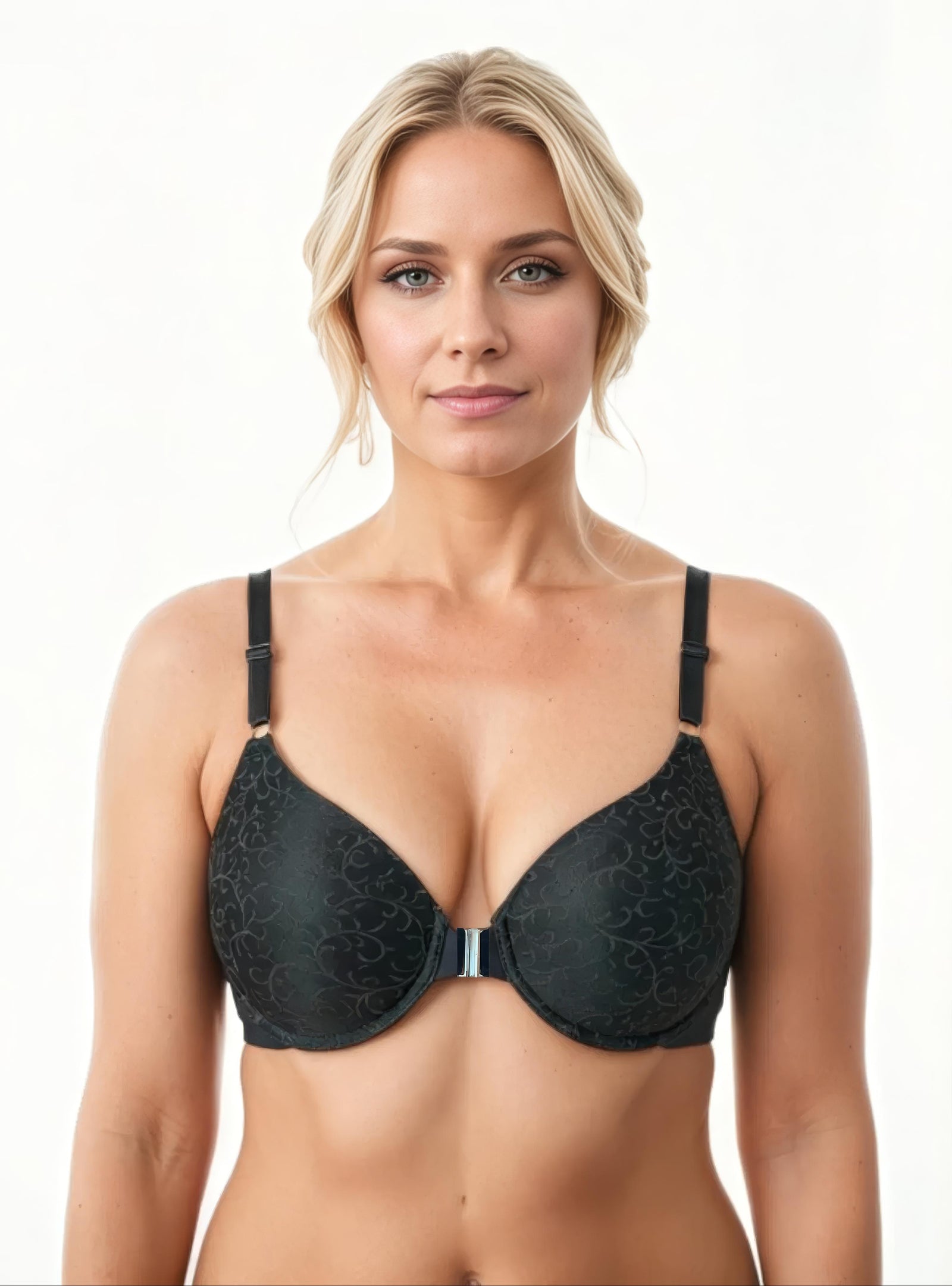
Minimizer bras are designed to make the bust appear less projected from the side. Instead of pressing everything down, a well-made minimizer redistributes fullness across the chest and into the cups more evenly. That often creates the visual effect of a smaller bust, usually by about one cup size in appearance, though results vary by breast shape, cup construction, and the clothing worn over it.
That difference matters most under real-life clothes. A minimizer can help a tailored shirt close more smoothly, reduce strain across buttons, and soften the profile under lightweight fabrics. If you have ever sized up in a top just to accommodate your bust, then dealt with extra fabric everywhere else, you already understand the appeal.
Still, not every bra labeled a minimizer will feel the same. Some prioritize compression. Others focus on shaping and containment. The most comfortable options support without flattening you into an unnatural shape.
Minimizer bras tend to work best for women who want a smoother line under clothing, especially fuller-bust shoppers who are tired of choosing between support and appearance. They can also be a smart option for women with asymmetry, soft tissue, or side fullness that tends to shift outside the cups in standard bras.
This is also where expectations matter. If your main concern is cleavage or lift for a specific outfit, a minimizer may not be your first choice. If your goal is less projection, better containment, and a cleaner fit through the bustline, it can be exactly the right tool.
Many mature women appreciate minimizer styles because comfort needs often change over time. Breast tissue can become softer, skin can feel more sensitive, and tolerance for poking wires or narrow straps tends to drop fast. A good minimizer should feel secure, not restrictive, and supportive without creating new pressure points.
Cup design does most of the heavy lifting. Full-coverage cups are common because they help contain tissue across the top and sides instead of letting it spill out. Seams, inner slings, and strategically shaped cup panels can guide tissue into a flatter, more centered shape.
Band construction matters just as much. If the band is flimsy, the bra cannot anchor properly, and the weight shifts to the straps. That is when shoulders ache, straps dig, and the whole bra starts creeping through the day. A supportive minimizer needs a stable band that holds close to the body without pinching.
Side and back smoothing can be the difference between a bra that looks good from the front and one that works from every angle. This is where many women are disappointed by ordinary bras. They may control the bust but leave visible bulges at the sides and back. A better-designed minimizer extends its support beyond the cups, using wider wings, fuller coverage, and smoothing construction to create a cleaner silhouette under clothing.
Straps also deserve attention. Wider, more comfortable straps help distribute weight and reduce digging, especially in fuller sizes. That does not mean the bra has to look bulky. It means the support system is doing its job.
A minimizer should not stop at making the bust look smaller from the side. Clothing fit is affected by the whole upper torso, which is why smoothing across the back and sides can be just as important as cup shape. If the cups minimize but the band cuts in, the result still feels frustrating.
That is one reason women often respond so strongly to bras that combine minimizing with allover smoothing. The silhouette looks more balanced, tops glide better, and you are not trading one fit issue for another. Shapeez built its reputation on that exact problem, creating bras engineered to smooth the back and sides while still delivering full-coverage support. For women who want less bulk under clothes without layering shapewear over a bra, that kind of design makes practical sense.
The first sign is not what it looks like on the hanger. It is what happens once you move around. A properly fitting minimizer should contain your breast tissue without cutting into it. The center front should lie flat or close to flat depending on the construction, the band should stay level, and the straps should not be doing all the work.
Your clothes can give you useful feedback too. A button-front shirt should pull less across the bust. A knit top should skim instead of cling in uneven ways. If your chest looks compressed, pushed downward, or wider than you like, the bra may be the wrong style even if the size is technically close.
It also helps to check where tissue is landing at the sides. If you are spilling near the underarm, the cup may be too small or too shallow. If the fabric wrinkles, the cup may be too large or not shaped for your breast type. Minimizer bras are especially shape-dependent, so fit is not only about size. It is also about construction.
One of the biggest mistakes is assuming all minimizing comes from tighter compression. In reality, too much pressure usually creates new issues - discomfort, flattening, bulges above the cup, or a shape that looks wider under clothes. A good minimizer uses structure, not just force.
Another common mistake is focusing only on the cup and ignoring the rest of the bra. If you struggle with back bulge, side overflow, or loose skin near the underarm, those concerns need to be part of the solution. Wider wings, smoothing panels, and fuller coverage can matter just as much as the minimizing label.
It is also easy to choose a bra based on what you hope to wear rather than how you live. If you need an everyday bra for work, errands, travel, or long hours on your feet, comfort has to rank high. The best bra is the one you will actually reach for, not the one that works for twenty minutes in the fitting room.
A minimizer is a smart choice when your clothing pulls at the bust, when you want a smoother profile, or when full-coverage support helps you feel more secure. It can also be helpful after weight changes, when tissue distribution shifts and your old bras no longer create the shape you want.
But it may not be ideal for every outfit or every preference. If you love a rounded, lifted, more projected look, a minimizing style may feel too controlled. If you prefer light support and barely-there construction, some minimizers may feel more substantial than you want. It depends on your shape, your wardrobe, and what comfort means to you.
That is worth remembering because the goal is not to fit into a category. The goal is to wear a bra that makes your clothes fit better and your body feel supported.
Start with full coverage, side support, and a stable band. Then pay attention to the details that affect day-to-day wear: smooth fabric under thin tops, straps that stay put, closures that feel manageable, and construction that does not roll or pinch.
If back and side smoothing are high on your list, prioritize bras that are built to address those zones directly, not just cups that reduce projection. If you dislike stiff underwires, look for supportive alternatives with smart shaping and wider underband support. If you wear a lot of button-downs, test the bra under one before deciding.
Most of all, give yourself permission to choose function without apology. Minimizer bras are not about hiding. They are about comfort, confidence, and a silhouette that works with your clothes instead of against them.
The right bra should make getting dressed easier, not more complicated. When a minimizer does its job well, you notice your outfit first and your bra issues a lot less.