Your Cart is Empty





A bra can change the way your shoulders feel by 3 p.m. If straps have been digging in, your bust feels unsupported, or a traditional back band leaves lines beneath your favorite top, you may be looking at posture support bras for relief. The right style will not medically correct your posture, but it can create a more supported, comfortable foundation that makes it easier to move through your day with confidence.
For many women, posture discomfort is not about standing perfectly straight. It is about carrying the weight of a fuller bust, compensating for slipping straps, or constantly adjusting a bra that is working against them. A supportive, smoothing bra can reduce those daily distractions while giving clothing a cleaner, more flattering fit.
The phrase “posture support” can mean different things depending on the bra. Some designs use wider straps, a fuller back, firm fabric, or a longline silhouette to help distribute weight more evenly. Others use a crisscross back or targeted compression that encourages you to keep your shoulders from rounding forward.
What a bra cannot do is permanently correct spinal alignment or treat chronic neck, shoulder, or back pain. If pain is persistent, severe, or new, it deserves attention from a qualified medical professional. But when discomfort comes from an unsupportive bra, a better fit can make a noticeable difference in how your upper body feels throughout the day.
A well-designed posture support bra should help you feel held, not restricted. You should be able to breathe deeply, sit comfortably, reach for things, and go about your routine without counting the minutes until you can take it off.
A bra’s support is never just about the cups. The band, straps, fabric, closure, and coverage all work together. This matters especially if you are fuller-busted, have experienced weight changes, or are tired of bras that create bulges at the back and sides.
A narrow back band can concentrate pressure in one small area, causing it to dig in and create visible lines. A wider, full-coverage back spreads that pressure across more surface area. The result can be a smoother silhouette under clothing and a more stable feeling around your rib cage.
This is where a bra that blends shapewear and support can be especially useful. Rather than layering a smoothing camisole over a conventional bra, you can choose one garment designed to support the bust while creating a more even look from the front, sides, and back.
Slipping straps are frustrating, but overtightening them is not the answer. When straps are asked to do all the lifting, they can press into the shoulders and leave sore marks. Most of a bra’s support should come from a secure, properly fitted band, while the straps fine-tune the lift.
Look for straps with enough width to feel comfortable and enough adjustability to personalize the fit. If your shoulders are narrow or sloped, a style with straps positioned closer toward the center may stay in place better than a wide-set design.
Full-coverage cups can be a welcome option for women who want less spillover, more stability, and a secure feel when bending or moving. They can also help distribute breast tissue more comfortably than a cup that cuts in at the top or sides.
That said, full coverage should not mean excess fabric. A cup that wrinkles or gaps may be too large, while breast tissue spilling over the top, sides, or bottom is often a sign that the cup is too small or the band is too loose. Good coverage follows your shape without flattening, pinching, or shifting.
Neither option is universally better. Underwire can provide defined lift and separation when it sits correctly around the breast tissue without poking or resting on it. Wire-free bras often appeal to women who prioritize flexibility, softness, and all-day ease.
The deciding factor is construction. A thoughtfully engineered wire-free bra can offer meaningful support through structured cups, supportive fabric, and a secure band. An underwire bra can feel exceptionally comfortable when the wire shape, cup size, and band size are right. Your body and daily routine should lead the choice.
Start with the situation you want the bra to solve. The best bra for long hours at a desk may not be the one you want for a workout, a special occasion, or sleep. A supportive everyday option should move easily under clothing and remain comfortable through sitting, standing, driving, and reaching.
If back bulge or visible bra lines are your biggest concern, prioritize a wider back and side-smoothing construction. Shapeez, the inventor of the patented back-smoothing bra category, is built around this kind of 360-degree smoothing approach, pairing full-coverage support with a more polished look under clothes.
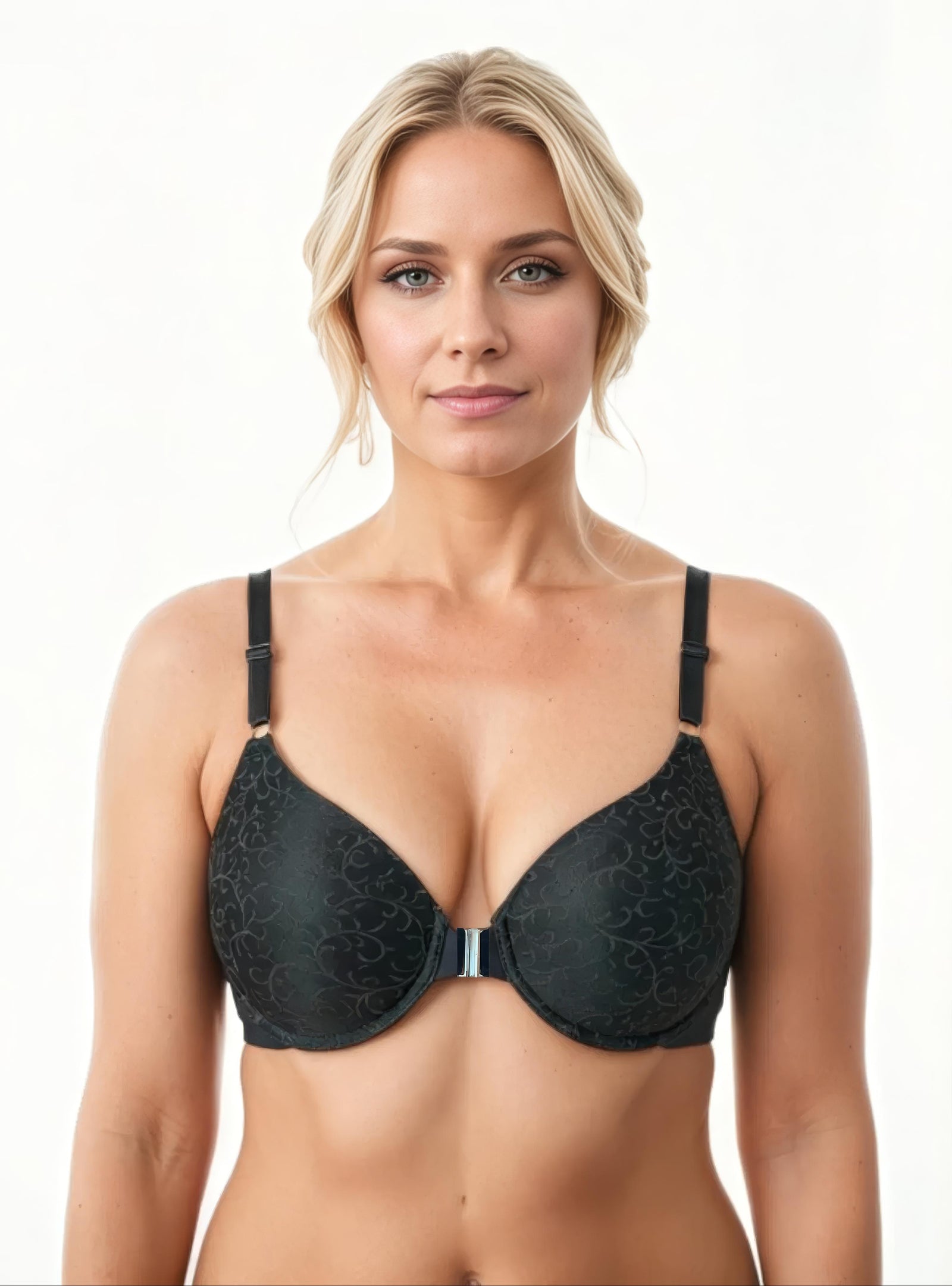
If shoulder tension is the problem, assess your fit before seeking the tightest possible straps. A firmer band and properly sized cups often reduce the need to pull straps so tight. If you want more ease getting dressed, a front-closure design can be particularly helpful, though it should still feel secure without riding up.
For active days, look for a sports bra designed for your level of movement. Light support may be enough for walking or stretching, while running and high-impact training require more containment. Wearing an everyday smoothing bra for intense exercise can lead to bounce and discomfort, even if it feels excellent for errands or work.
Even the most carefully designed bra cannot perform well in the wrong size. Try a new bra on the loosest hook when possible. This leaves room to tighten the band later as the fabric naturally relaxes with wear.
Use these signs as a practical fit check:
One common mistake is sizing down in the band to get a tighter feeling. A too-tight band can roll, pinch, and make it difficult to breathe comfortably. A supportive band should feel snug and secure, not punishing.
Another is choosing maximum compression when the real need is better structure. Compression may create a smooth appearance, but too much of it can feel restrictive over a long day. Look for balanced support: enough hold to minimize shifting, with fabric that has recovery and softness against the skin.
It also helps to be realistic about what “posture” means for your body. If you spend hours at a computer, a supportive bra is only one piece of feeling better. Adjusting your chair, taking stretch breaks, and varying your position can all support greater comfort. Your bra should make those habits easier, not promise to replace them.
The best posture support bra is the one you do not have to fight with. It supports your bust, smooths where you want smoothing, and lets you focus on your work, family, plans, and life beyond your lingerie drawer.
Give yourself permission to choose support that feels good rather than settling for a bra that merely looks acceptable. When your band stays in place, your straps stop digging, and your clothing skims smoothly over your silhouette, standing tall can feel a little more natural.