Your Cart is Empty




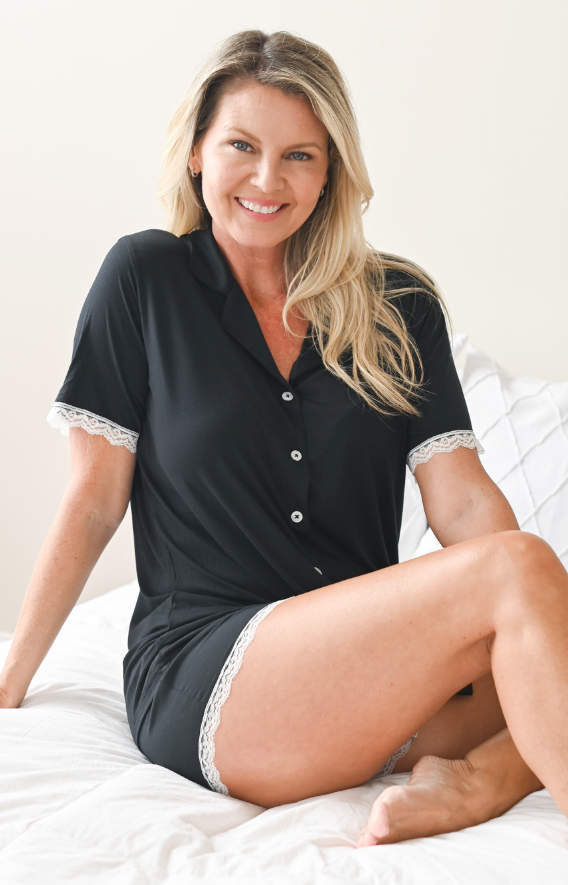
If you wake up at 2 a.m. kicking off the covers, flipping the pillow, and trying to find the one cool spot in the bed, your sleepwear is not a small detail. For many women, bamboo pajamas for hot sleepers feel better simply because they are lighter, softer, and less stifling than the stiff or clingy fabrics that can make a warm night feel worse.
That does not mean every bamboo pajama set is automatically the answer. Fabric weight, knit, fit, and construction matter just as much as the fiber on the tag. If you sleep hot, the goal is not just buying something labeled cooling. It is choosing sleepwear that helps your body rest instead of trapping heat, moisture, and irritation.
Hot sleepers usually need three things from pajamas - breathability, moisture management, and softness that does not turn sticky when skin gets warm. Bamboo-based fabrics are popular because they often deliver on all three. They tend to feel smooth against the skin, drape nicely instead of clinging, and can be more comfortable through temperature swings during the night.
That soft hand-feel matters more than people think. When pajamas are rough, tight, or heavy, you notice every twist and turn. Sleepwear should disappear on the body. That is especially true for women who already deal with fit frustrations during the day and do not want more digging, bunching, or overheating at night.
Many bamboo pajamas are made from bamboo viscose or bamboo rayon rather than raw bamboo fiber. That is common in the market, and it helps explain the silky feel people love. The result is often a fabric that feels cool to the touch at first and stays comfortable longer than some synthetic-heavy alternatives.
The biggest strength of bamboo sleepwear is comfort in motion. A good set moves with you, skims the body instead of grabbing at it, and does not create that trapped, damp feeling that can come from heavier knits. If you get warm easily, that alone can make bedtime less frustrating.
Bamboo fabrics also tend to be gentle on sensitive skin. If lace trims, scratchy seams, or stiff woven cotton pajama sets leave you irritated, a smoother bamboo knit can feel like a relief. For mature women, women dealing with hormonal temperature changes, or anyone whose skin feels more reactive at night, softness is not a luxury. It is part of sleeping well.
Another advantage is drape. Bamboo pajamas often hang in a flattering, easy way rather than feeling bulky. That can matter if you want loungewear and sleepwear that feels comfortable without looking sloppy. Practical comfort and feeling good in what you wear do not have to compete.
This is where a little honesty helps. Not every product marketed as bamboo will sleep cool. Some are blended with enough spandex or polyester that the fabric feels warmer than expected. Others are simply too thick. A plush bamboo knit may feel buttery soft in your hand and still be too heavy for someone who runs hot.
Fit can also work against the fabric. If the top is tight across the chest, the waistband digs in, or the shorts ride up, you will still feel uncomfortable no matter how breathable the material is. Cooling starts with airflow. That usually means choosing a relaxed silhouette rather than sizing down for a fitted look.
Price is another trade-off. Bamboo pajamas often cost more than basic cotton sets. For some women, the difference in comfort is absolutely worth it. For others, especially if you keep your bedroom very cool already, the upgrade may feel less dramatic. It depends on how much your current sleepwear is contributing to the problem.
The best bamboo pajamas for hot sleepers are usually lightweight, stretchy without being tight, and simple in construction. Look for fabric descriptions that mention breathable jersey or lightweight knit rather than substantial, brushed, or heavyweight material. If the brand emphasizes softness alone, that is not enough. You want softness plus airflow.
Pay attention to the cut. Short sleeves, tanks, cropped pants, shorts, and nightshirts can all work well, but the key is ease through the body. A little room helps heat escape. If you prefer long pants for coverage, a loose straight leg is often more comfortable than a tapered or jogger-style bottom.
Seams matter, too. Flat, minimal seams are better for uninterrupted sleep. So are waistbands that stretch without pinching. Buttons can be fine, but bulky plackets or stiff collars may feel less comfortable if you toss and turn. The same goes for decorative trims. If a detail does not add comfort, it may become one more thing you notice at 3 a.m.
Cotton still has a place in sleepwear, and some women genuinely prefer it. Lightweight cotton can be breathable, familiar, and easier on the budget. If you love crisp cotton or very lightweight cotton jersey, you may not need to switch.
The difference is usually in feel and moisture. Bamboo often feels silkier and less dry against the skin, while cotton can feel cooler at first but may stay damp longer if you sweat during the night. Some women like cotton because it feels airy and classic. Others prefer bamboo because it feels smoother, softer, and less likely to cling after a warm spell.
If you are deciding between the two, think about your actual sleep complaints. If your issue is scratchiness, rubbing, or pajamas that twist and bunch, bamboo may be the better choice. If your issue is simply wanting the lightest possible fabric, a very thin cotton option could still work well.
When women say a pair of pajamas changed how they sleep, it is usually not because of one miracle fabric claim. It is because several comfort features came together in the right way. The fabric felt breathable, the fit was easy, the waistband stayed put, and the garment moved without pulling.
That is the same principle behind any well-designed comfort apparel. Features matter most when they solve a real frustration. A soft knit that does not cling. A neckline that does not feel restrictive. Shorts that do not bunch. Pants that do not trap heat behind the knees. These details sound small until you are awake because of them.
For women who value comfort-first design in everyday essentials, that kind of thoughtful construction is familiar territory. It is one reason brands like Shapeez resonate so strongly - the best apparel does not just look good on a hanger. It solves fit problems on the body.
Bamboo pajamas can be especially helpful for women dealing with night sweats, menopause-related heat spikes, warm climates, or simply a long history of sleeping hot. They also make sense for women who want sleepwear that feels polished enough for lounging but soft enough for real rest.
They may be less transformative if you already sleep in a cool room, use breathable bedding, and wear very lightweight pajamas that you love. Sleep comfort is layered. Pajamas help, but they are only one part of the full setup. Sheets, mattress protectors, room temperature, and even your bedtime routine can all affect how warm you feel.
Still, if your current sleepwear feels heavy, sticky, or irritating, changing fabrics is one of the simplest upgrades you can make. It is a practical fix, not a complicated one.
For many women, yes - especially when overheating is paired with fabric sensitivity or a dislike of tight, restrictive sleepwear. Bamboo pajamas tend to earn their keep by feeling soft and easy to wear night after night. The best ones help you stop thinking about what you are wearing, which is exactly what sleepwear should do.
Just keep your expectations realistic. Bamboo is not magic, and a poorly made bamboo set can still sleep warm. Focus on lightweight fabric, an easy fit, and thoughtful construction instead of buzzwords alone. When those pieces line up, bamboo pajamas can be a very smart buy for hot sleepers.
If better sleep starts with fewer nightly annoyances, the right pajamas are not an indulgence. They are one more way to make comfort feel dependable.