Your Cart is Empty





That itch under your band, along the sides of your breasts, or near your straps can turn a perfectly good outfit into a long day. So, does bra fabric cause itching? It can. But fabric is only one part of the picture. Your bra’s fit, finish, care routine, and the heat and moisture against your skin can all play a role.
The good news is that itching is often a solvable comfort problem, not something you simply have to put up with. A bra should help you feel supported and smooth under clothing, not leave you counting the minutes until you can take it off.
Some skin is more reactive than others, especially during warmer weather, hormonal changes, or periods when skin is already dry or irritated. The fibers touching your body matter, but so do the dyes, elastic, stitching, and chemical finishes used to make a garment look, stretch, and hold its shape.
Synthetic fibers such as nylon, polyester, and spandex are common in supportive bras because they offer stretch, recovery, and a smooth appearance under clothing. They are not automatically irritating. In fact, many women find high-quality performance blends very comfortable. The issue is more likely when a fabric traps heat and perspiration, feels rough, or is paired with an ingredient your skin does not tolerate well.
Natural fibers can be gentler for some people, but they are not a universal answer either. Cotton is breathable and soft, yet a mostly cotton bra may not provide the smoothing, lift, or shape retention you need. It may also stay damp longer after sweating. Comfort usually comes from the whole construction, not a single fiber listed on the tag.
If a new bra makes you itch right away, the fabric itself may not be the only suspect. Dyes, textile finishes, fragrance from laundry products, and residue from manufacturing can irritate sensitive skin. Dark colors and highly saturated shades may contain more dye, although color alone does not prove the cause.
Washing a new bra before wearing it is a simple first step. Use a mild, fragrance-free detergent and skip fabric softener, which can leave a coating behind. If your skin settles after a wash, the problem may have been residue rather than the bra’s core material.
A bra that is too tight creates friction. A band that rolls, straps that dig, and cups that cut into breast tissue can all rub the same spots repeatedly. Add body heat or a busy day, and a small irritation can become a persistent itch.
This is especially common around the underband and side seams, where pressure and movement meet. If you notice red marks, chafing, or itching in the exact shape of the bra, reassess fit before assuming you need an entirely different fabric.
A too-loose bra can also contribute. When the band rides up or the cups shift, the garment moves against your skin instead of staying comfortably in place. Support should feel secure, not restrictive. The right bra distributes support more evenly so one narrow edge is not doing all the work.
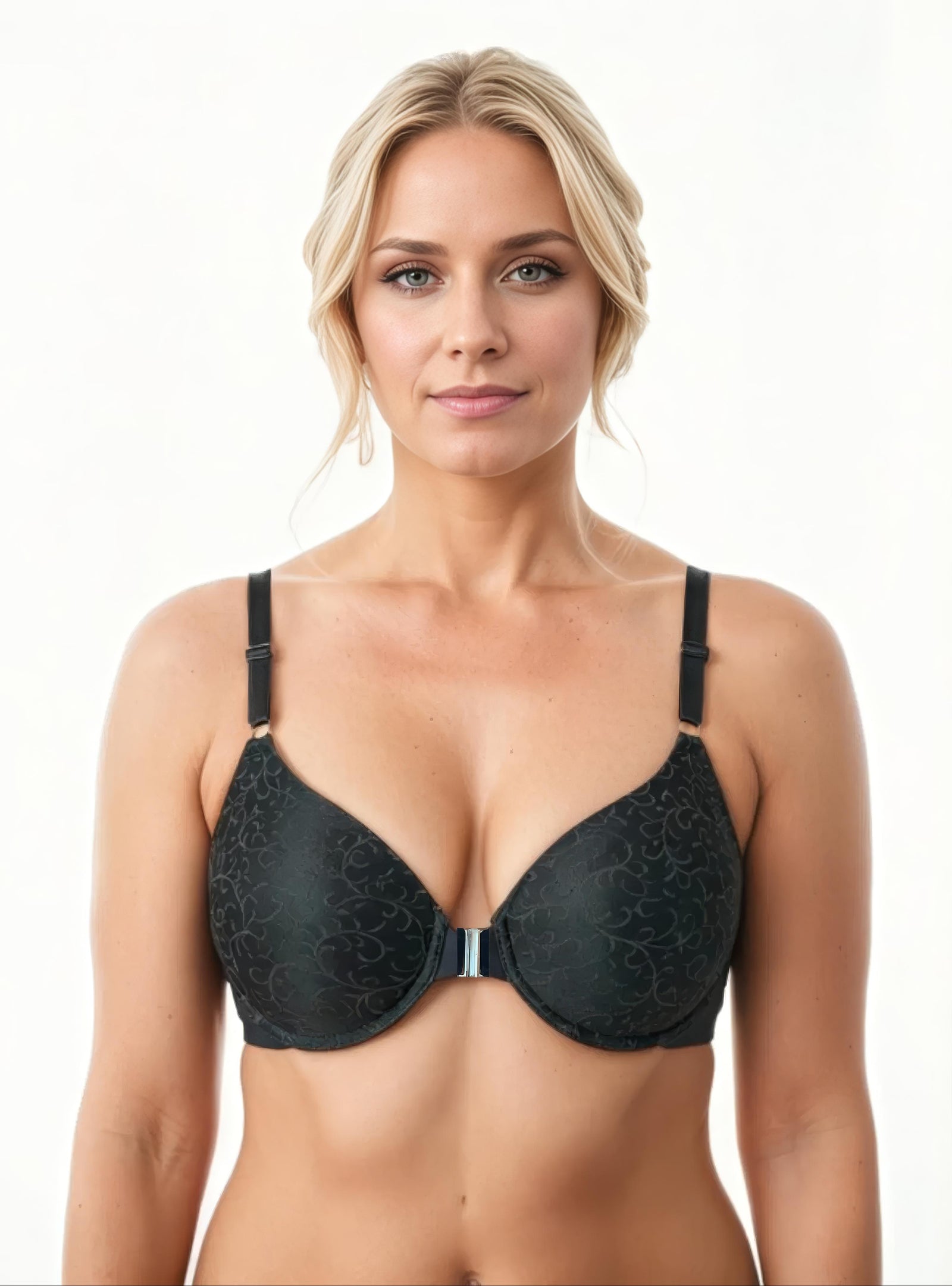
For women who are tired of traditional hook-and-eye bras digging into the back, a wider, smoothing design can make a meaningful difference. Shapeez bras are designed to combine full coverage and support with patented 360-degree smoothing, helping reduce the pressure points and visible lines that make many conventional bras feel less comfortable as the day goes on.
Itching that appears late in the day may be less about the bra fabric and more about moisture. Sweat can sit beneath the breasts, under the band, and in skin folds, particularly in warm climates or during exercise. Damp skin is more vulnerable to friction and irritation.
A breathable, moisture-managing bra can help, but it also needs to fit well enough that it does not bunch or trap moisture in one place. Change out of a sweaty bra promptly, and let your skin dry fully before putting on another close-fitting layer. Rotating bras gives each one time to dry between wears as well.
If the itching comes with a rash, odor, broken skin, or soreness that does not improve, it may be more than ordinary friction. Yeast, eczema, contact dermatitis, and other skin conditions can show up in areas covered by a bra. A clinician or dermatologist can help identify the cause and recommend appropriate treatment.
Start by noticing the pattern. Does the itching happen with one bra or several? Is it worse after washing, after sweating, or only with a particular color? These details can help you avoid replacing your entire bra drawer when one adjustment may solve the problem.
When trying a new style, pay attention to the inside of the garment. Look for soft lining against the skin, smooth seams, covered elastic where possible, and a band that lies flat without pinching. A longline silhouette can feel more comfortable for some women because it spreads support across a broader area. For others, a shorter band is cooler and better suited to daily wear. There is no single best option - your body, climate, and support needs all count.
A front closure can also be a welcome choice if twisting to reach back hooks is uncomfortable. Still, closure placement should not create pressure at the center of the chest. Move around in the bra before deciding. Lift your arms, sit down, and take a few deep breaths. The bra should stay in place without scratching, rolling, or demanding constant adjustment.
Before you give up on a bra that otherwise fits well, try washing it with fragrance-free detergent and wearing it for a shorter period on a cooler day. Make sure it is completely rinsed and fully dry before use. Detergent buildup can be surprisingly irritating, particularly when it sits against warm skin.
It also helps to replace bras that have lost their stretch or developed rough spots. Over time, elastic can become scratchy, seams can twist, and worn fabric can hold onto body oils and detergent residue more easily. Hand washing or using a lingerie bag on a gentle cycle can extend the life of delicate bras, but even the best-loved piece eventually needs retirement.
Avoid applying heavily fragranced lotions, powders, or perfume directly beneath your bra band if you are already itchy. Those products can mix with heat and sweat, making it harder to tell what your skin is reacting to. Keep the routine simple while you troubleshoot.
Mild itching that improves after changing bras, laundering differently, or correcting fit is usually manageable at home. But do not ignore symptoms that persist. Seek medical guidance if you have a spreading rash, swelling, blisters, peeling skin, discharge, significant pain, fever, or itching that continues even when you are not wearing a bra.
If you suspect an allergy, take note of the bra’s fabric content, color, detergent, and any new body products you have used. That information can make a medical appointment more useful and help you narrow down future choices.
Your bra should support your shape and your confidence without asking your skin to tolerate discomfort. A softer finish, a more thoughtful fit, and a construction that smooths without squeezing can turn getting dressed from a daily irritation into a dependable part of feeling like yourself.