Your Cart is Empty




A bra can technically fit and still leave you feeling unsupported, overheated, or less than smooth under your favorite top. That is why the foam cup versus unlined bra decision is not simply about what you see in the mirror. It is about how you want to feel through a workday, dinner out, or a long stretch of everyday life.
Neither cup style is automatically better. Foam cups can offer more coverage and a polished shape, while unlined bras often feel lighter and follow your natural contours. The right choice depends on your breast shape, sensitivity to fabric, wardrobe, and the kind of support that lets you forget about your bra instead of adjusting it all day.
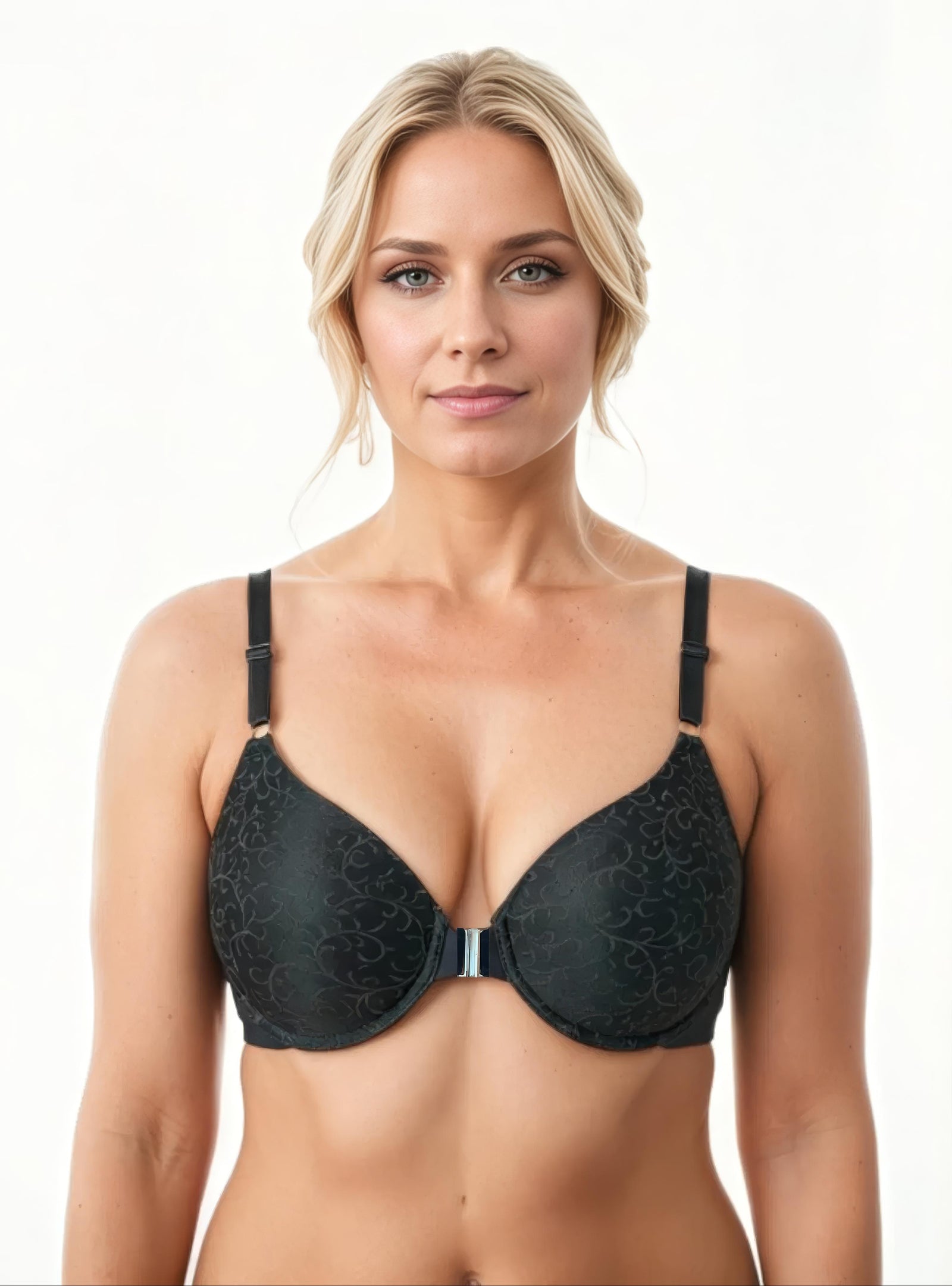
A foam cup bra has a layer of foam built into the cup. That foam may be thin and flexible or more structured and molded, depending on the bra. It creates a consistent cup shape and adds a bit of opacity between your body and your clothing. Foam does not always mean heavy padding or added cup size. Many everyday foam bras use lightweight foam designed for coverage, modesty, and a rounded silhouette.
An unlined bra has no foam layer in the cups. Its cups are typically made with fabric, mesh, lace, or supportive knit materials, often with seams that help shape and lift the bust. Because there is less material between your body and your clothing, an unlined bra tends to look and feel more natural.
The difference matters most under clothing. A foam cup may give you a smoother, more uniform outline under a fitted T-shirt or blouse. An unlined cup can show the natural shape of the breast more clearly, including nipple visibility depending on the fabric and temperature.
Foam cups are a dependable choice when you want coverage without a bulky feel. For many women, especially those who prefer full coverage or simply do not want to think about what might show through a thin top, that extra layer provides welcome peace of mind.
A well-designed foam cup can also create a more symmetrical look when one breast is slightly fuller than the other, which is completely normal. The cup gives clothing a stable surface to fall over, so knits, button-front shirts, and smooth dresses may look more polished. If you have softer breast tissue or notice that traditional bras allow your shape to shift throughout the day, foam can offer a little more visual consistency.
Foam is also useful when your wardrobe includes lightweight fabrics, clingy tops, or pale colors. In those moments, coverage is not about hiding your body. It is about choosing the level of definition you feel best wearing.
Still, cup construction matters more than foam alone. A stiff molded cup that does not match your breast shape can gap at the top, press into the breast, or feel like it is sitting on you rather than supporting you. Look for flexible foam, a cup depth that accommodates your shape, and a band that stays level across your back.
Women who want a smoother outline under clothing, prefer more nipple coverage, or like the look of a gently rounded shape may be happiest in foam cups. They can also be a comfortable choice after weight changes, when breast tissue may feel less firm and you want a little more structure from your bra.
If back bulge, side spill, or visible bra lines are part of the frustration, remember that the cup is only one piece of the solution. A smoothing bra with supportive side panels, a wide back, and a stay-put hem can improve the look and feel of your entire silhouette.
Unlined bras are loved for their lighter, closer-to-the-body feel. Without foam, the cup can be more breathable, which may make a real difference if you run warm, live in a humid climate, or prefer less material against your skin.
They also allow your natural breast shape to take the lead. For some women, that feels more comfortable and more authentic than the round profile created by a molded cup. Seamed unlined bras can provide beautiful lift and separation, especially when the cup is thoughtfully engineered with multiple fabric panels.
An unlined bra is not the same as an unsupportive bra. Strong fabrics, strategic seaming, supportive underbands, and well-designed straps can provide meaningful support without foam or bulky padding. A wire-free unlined style can be especially appealing for relaxed days, travel, or anyone who is done with poking wires and restrictive hardware.
The trade-off is visibility. Depending on the fabric and your top, unlined cups may reveal more natural texture and definition. Some women welcome that. Others prefer more coverage for the office, social events, or certain outfits. There is no wrong preference here, only the question of what helps you feel at ease.
An unlined style can be a great option if you prioritize breathability, dislike the feeling of molded cups, or want a bra that conforms to your natural shape. It may also suit women whose breasts are fuller on bottom or have a shape that tends to fight pre-formed cups.
For larger busts, unlined does not have to mean less support. The key is looking beyond the cup label. Seek out a firm, comfortable underband, full enough cup coverage, straps that do not dig, and construction that supports from the sides as well as underneath.
The best bra is not determined by cup style alone. A foam cup that is too shallow may flatten the breast or create overflow. An unlined bra that is too large may wrinkle, while one that is too small can cut in at the top or sides. Fit should always lead the decision.
Start with the band. It should feel secure on the loosest hook when new, stay parallel to the floor, and not ride up your back. Most of a bra's support comes from the band, not the straps. Straps should rest comfortably without slipping or leaving deep grooves.
Then look at the cup. Your breast tissue should be fully contained without gaping, spillage, or a hard line across the top. If you wear an underwire style, the wire should sit around the breast tissue rather than on it. For a wire-free bra, check that the underband stays anchored and the cup does not shift when you raise your arms.
If you are between sizes, have asymmetry, or have experienced a recent weight change, try both foam and unlined constructions in a few sizes. The bra that feels most secure at the beginning of the day should still feel good by late afternoon.
Your closet can make this choice much clearer. Foam cups tend to pair beautifully with thin tees, fitted sweaters, crisp button-downs, and smooth dresses. They offer a finished look when you want clothing to skim rather than cling.
Unlined bras work especially well under textured fabrics, looser tops, layers, and clothing with enough structure to make cup lines less relevant. They can also be a smart choice for days when comfort and breathability matter more than a perfectly rounded silhouette.
Many women benefit from owning both. A foam cup bra can be the reliable option for polished outfits and all-day coverage, while an unlined bra can be the lighter choice for casual days or warm weather. Building a bra drawer around real life is more useful than trying to force one style to do every job.
The old idea that supportive bras must pinch, poke, or leave marks is worth leaving behind. Whether you choose foam or unlined cups, the most comfortable bra is one that supports your bust while smoothing the areas that often make getting dressed frustrating.
Shapeez approaches that need with patented back-smoothing construction designed to help reduce visible back and side bulge while providing the full-coverage support many women want. In a foam or non-foam style, details such as a wider back, thoughtful side coverage, front closure options, and no-roll finishes can change how a bra feels under clothes.
Give yourself permission to choose based on comfort, not a rule about what bras are supposed to look like. If a foam cup helps you feel polished, wear it. If an unlined bra lets you breathe easier and feel more like yourself, that is equally valid. The best choice is the one that supports your body, your wardrobe, and your confidence without asking you to compromise.