Your Cart is Empty





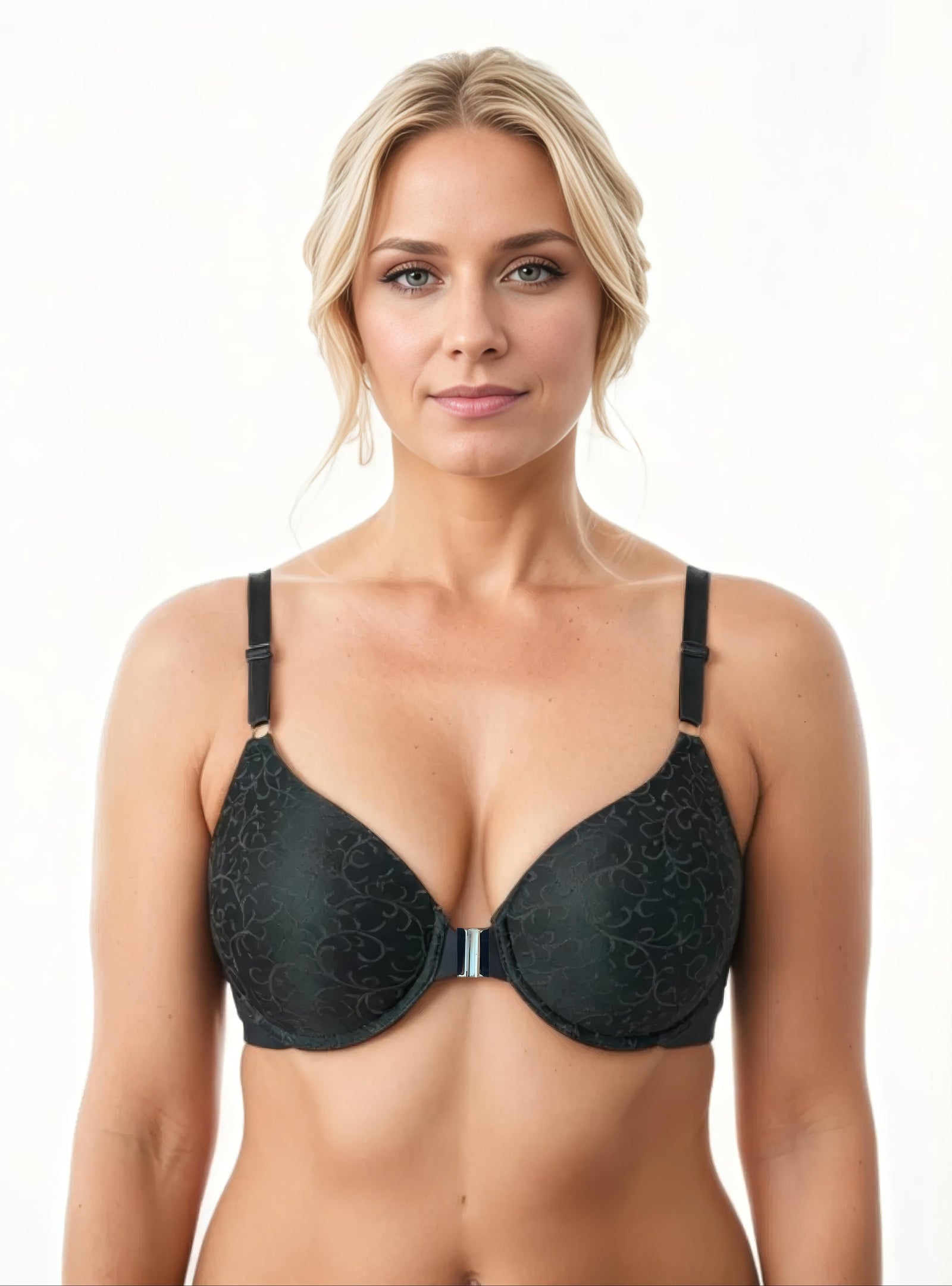
A bra should not require a shoulder stretch, a twisting motion, and a second attempt just to get dressed. That is why a front closure bralette review starts with the feature women notice first: the closure is where you can see it, reach it, and fasten it without the usual behind-the-back struggle. But easy access is only part of the story. The right front-close bralette also needs to feel secure, sit smoothly under clothing, and provide enough coverage for the way you actually move through your day.
For women tired of digging straps, visible back lines, and rigid hardware, a front closure can be a welcome change. Still, not every front-closing bralette fits every body or every wardrobe need. Here is what makes this style worth considering, where it may fall short, and how to choose one that supports your shape instead of asking you to adjust all day.
A traditional bra asks you to reach behind your back to fasten a row of hooks, then adjust the band, straps, and cups into place. A front closure bralette puts the clasp, hook, or zipper at the center of the chest. It is a practical design detail, especially for women with limited shoulder mobility, arthritis, post-surgery sensitivity, or simply no patience for wrestling with a bra before coffee.
Bralettes also approach support differently than conventional underwire bras. Rather than relying on a hard wire to shape the bust, they often use a combination of supportive fabric, wider bands, strategically placed seams, full-coverage panels, and stretch that recovers after wear. The best ones feel flexible without becoming flimsy.
That distinction matters. A front closure is convenient, but convenience alone does not prevent side spill, a rolling hem, or a back band that creates lines under a fitted top. For everyday wear, the construction around the closure matters just as much as the closure itself.
The most immediate benefit is simple: getting dressed is easier. You can see the closure, align it at the center of your body, and confirm it is secure without straining your shoulders. This can make a meaningful difference when you are rushing out the door or changing after a workout.
A well-designed front close can also create a cleaner back silhouette. With no back hooks, there is less hardware pressing into the skin. That does not automatically mean the back will look smooth, however. For that, look for a wider back panel and fabric designed to lie flat from side to side. Shapeez built its patented back-smoothing category around this real-life concern: women want a bra that supports the bust without putting every bit of pressure and every visible line across the back.
Comfort is another major advantage. Wire-free front closure bralettes can be especially appealing if underwires poke, shift, or feel restrictive by late afternoon. A soft, supportive style can move with you while still offering the coverage needed for work, errands, travel, or relaxed days at home.
The trade-off is that front closures usually offer less adjustability than a traditional multi-hook back. With a back-hook bra, you can move to a tighter or looser setting as the band relaxes over time. A front-close bralette needs to fit correctly from the beginning, because there may be fewer ways to fine-tune it later.
A front closure bralette should feel secure around the rib cage, not tight enough to leave you counting the minutes until you can take it off. The band does much of the work in a wire-free style. If it rides up in back, curls at the bottom, or feels loose when you lift your arms, it is not giving your bust the foundation it needs.
For fuller-bust women, support often comes down to fabric strength and coverage. A thin, highly stretchy bralette may be comfortable for lounging, but it may not provide enough lift or containment for a long day. Look for a design with a substantial underbust band, a higher side panel, and cups that cover the breast tissue rather than cutting across it.
Wider straps are helpful, too. They distribute weight more comfortably and are less likely to dig into the shoulders. Adjustable straps can improve fit, but they should not be used to compensate for a loose band. When straps are doing all the lifting, they tend to leave marks and pull the bra out of position.
The closure should lie flat against the sternum without pinching, gaping, or pressing uncomfortably into the chest. It should also be easy to operate, but not so loose that it pops open with normal movement.
If you have a fuller bust, pay close attention to whether the front closure pulls apart or creates a gap between the breasts. That is often a sign the garment is too small through the cups or too light in construction for the support level you need. Sizing up may help, but only if the band still feels anchored. Otherwise, you may need a more structured bra rather than a softer bralette.
Many women shop for a front-close style because they want fewer visible bra lines under T-shirts, knits, dresses, and close-fitting tops. The most flattering options offer smoothing through the back and sides without flattening the body or making breathing feel like a project.
This is where fabric placement makes a difference. A wide, continuous back panel spreads tension over a larger area instead of allowing a narrow band to press into one spot. Higher side coverage can help contain soft tissue near the underarm, while a no-roll hem can keep the garment from creeping upward as you sit and bend.
Smoothing should feel like gentle support, not punishment. A bra that is overly compressive may look sleek for an hour, then leave deep marks and make you uncomfortable for the rest of the day. The goal is a more even silhouette under clothing while still feeling like yourself.
This style can be an excellent everyday choice for women who prioritize ease, softness, and a smooth finish. It is particularly useful for anyone who finds back hooks difficult to reach, dislikes underwire, or wants comfortable coverage without the look and feel of a traditional bra.
It can also work beautifully for mature women, women experiencing changes in body shape, and those who want a less complicated dressing routine. If you wear button-down shirts, soft sweaters, casual dresses, or T-shirts often, a smoothing front-close bralette can reduce the fuss that comes with visible hardware and narrow bands.
That said, a bralette is not always the best answer for every occasion. If you need pronounced lift, separation, or high-impact support for exercise, a more structured underwire bra or sports bra may serve you better. A front-close bralette can be wonderfully supportive, but it is not meant to perform like every category of bra at once.
Start with the band. It should feel firm and stay level around your torso, but you should be able to breathe and move naturally. Then check the cups or front panels. Breast tissue should sit fully inside the garment, with no spilling at the neckline or sides and no empty space that wrinkles under clothing.
Next, raise your arms, sit down, and take a few deep breaths. The hem should remain in place, the closure should stay flat, and the straps should not slip. Try it under the type of top you wear most often. A bralette can feel great on its own but reveal a raised edge or shifting cup under a lightweight shirt.
Finally, give the fabric a moment. Supportive stretch should relax slightly with body heat, but it should recover when you move. If a bra feels perfect for five minutes and loose after an hour, it is unlikely to become a dependable favorite.
The best front-close bralette is the one you stop thinking about once it is on. Choose support that respects your body, smoothing that lets your clothes fall the way you want, and a closure that makes getting dressed feel refreshingly simple.