Your Cart is Empty




You feel it the second you put it on. One bra disappears under clothes and feels easy all day. Another holds everything in place when you walk fast, bend, stretch, or head to a workout. That is the real question behind bralette vs sports bra support - not which one is better, but which one gives your body the kind of support you actually need.
For many women, the choice is not just about style. It is about comfort, bounce control, smoothing, coverage, and whether a bra helps or fights you by lunchtime. If you have ever bought a cute bralette and realized it was not enough support, or pulled on a sports bra and felt too compressed for everyday wear, you already know the difference matters.
The biggest difference is how each bra is built to handle movement. A bralette is usually designed for light support and everyday comfort. A sports bra is designed to reduce motion and keep the bust more secure during physical activity.
That sounds simple, but the feel on the body can be very different. Bralettes often use softer fabrics, fewer structured elements, and a lighter overall hold. They can be a great choice for lounging, casual errands, work-from-home days, and outfits where you want a smooth, wire-free feel.
Sports bras are made with control in mind. They tend to have firmer fabrics, wider underbands, more compressive fits, and construction meant to limit bounce. Some separate the breasts for support, while others compress them closer to the chest. That extra control is exactly what many women need for walking, training, or any day with more movement.
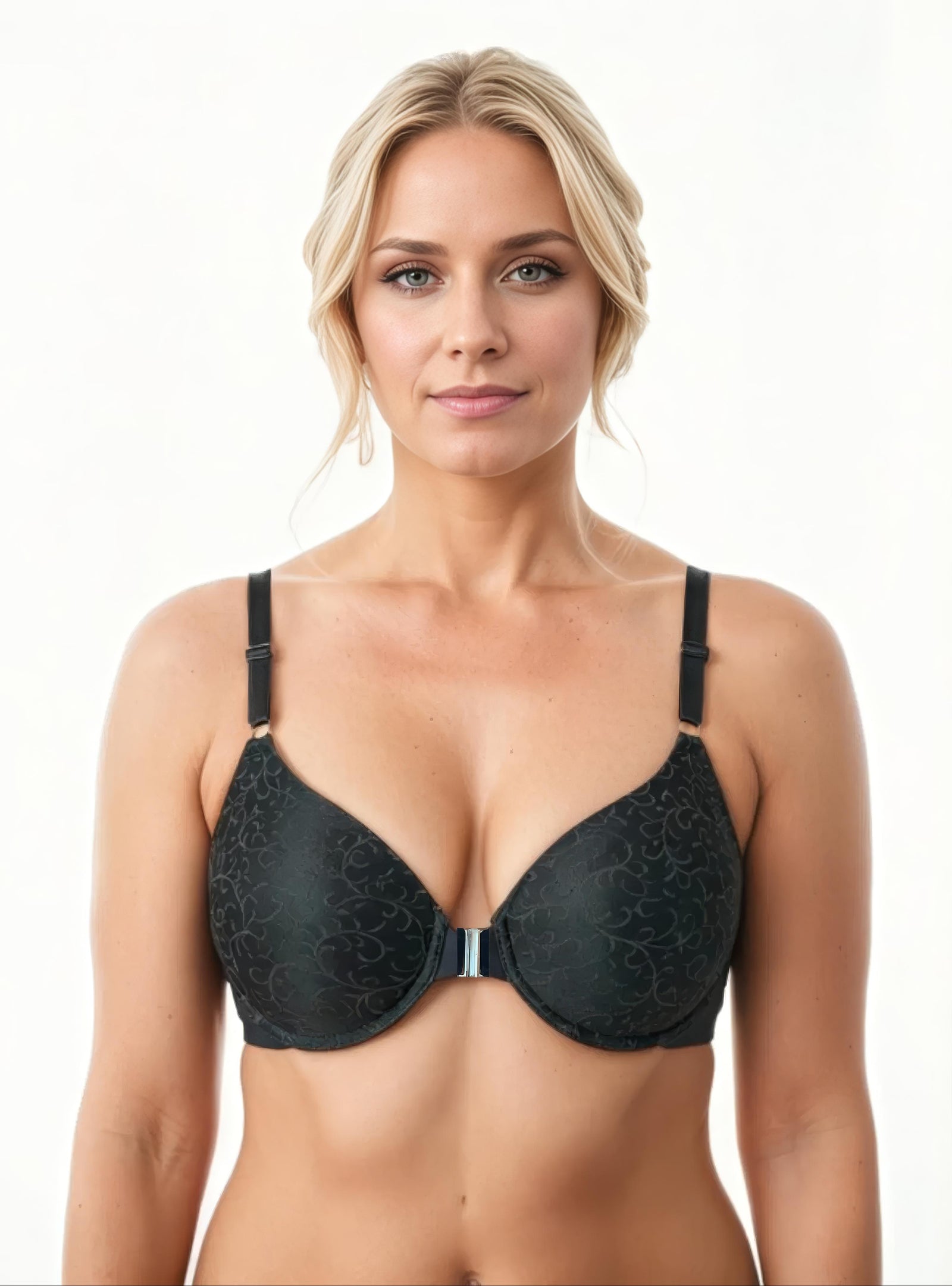
A good bralette can absolutely be supportive, but support here usually means gentle hold rather than high-impact control. For smaller busts, that may be enough for all-day wear. For fuller busts, a bralette can still work beautifully when it has thoughtful design features like wider straps, a supportive underband, more side coverage, and full-coverage shaping.
This is where many women get disappointed. They hear “wire-free” and expect softness, but not all wire-free bras are built equally. Some bralettes are little more than a layer of fabric. Others are engineered to offer shaping, smoothing, and reliable everyday support without feeling stiff.
If your goal is comfort under clothing, a well-made bralette can be a smart solution. It often creates a more relaxed shape than a traditional bra, and it is usually easier on shoulders and ribs than bras with rigid structure. But if you are expecting it to control bounce during a brisk walk or workout, most bralettes will fall short.
Sports bra support comes from stability. The fabrics are typically stronger, the fit is closer to the body, and the design is more focused on minimizing movement. That can mean compression, encapsulation, or a combination of both.
Compression presses the bust closer to the chest wall to reduce bounce. Encapsulation uses separate cups or internal structure to support each breast more individually. For many fuller-busted women, encapsulation can feel more flattering and comfortable than pure compression, especially if they do not want that flattened feeling.
A sports bra also usually has details that matter more than people realize: wider straps that stay put, a secure band that does not ride up, higher coverage at the neckline, and fabric that handles sweat better. These elements work together. If one piece is off, the bra may feel tight without actually feeling supportive.
That is why some women say a sports bra is “too much” for daily wear. It is not necessarily uncomfortable by design. It is simply built for a different job.
There are plenty of days when a sports bra is more support than you need. If your schedule involves working, driving, sitting at a desk, running light errands, or relaxing at home, a bralette may feel better for longer wear.
A bralette also makes sense when your top calls for smoother lines and less bulk. Many sports bras have thicker seams, denser fabric, or a more athletic shape that can show under certain clothes. A wire-free bralette with full coverage can give you a softer silhouette and a less restrictive feel.
This matters even more for women who are sensitive to digging straps, hooks, or bulky bands. A comfortable bralette can reduce that end-of-day urge to take your bra off the second you get home. If it also offers back and side smoothing, it can improve how tops and dresses fit without adding another layer.
For mature women, post-weight-loss bodies, or anyone dealing with side spill or back bulge, the best bralette is not the flimsy kind. It is one designed with real coverage and support in mind.
If your day includes repeated movement, bounce, or heat, a sports bra usually wins. That includes exercise, of course, but it can also include chasing kids, long travel days, active jobs, yard work, or simply wanting a more locked-in feeling.
For larger busts, this difference becomes even more noticeable. The more breast movement you have, the more important control becomes. A bra that feels fine when standing still can become frustrating the moment you go up and down stairs or spend the day on the move.
Sports bras can also be helpful when you want extra confidence in coverage. Their higher necklines and firmer hold can create a secure feeling under casual clothes, especially if you prefer less movement and less adjusting throughout the day.
The trade-off is that some sports bras feel too compressive for all-day comfort, especially if the fabric is thick or the band is overly tight. Support should feel secure, not punishing.
This is where the answer becomes more personal. If you have a fuller bust, support is not optional. But that does not automatically mean you need a sports bra for everything.
A thoughtfully constructed bralette can work very well for everyday wear when it offers full coverage, smoothing through the back and sides, a stable underband, and straps that do not dig. The key is choosing one that is designed for support, not just appearance.
For exercise or high-movement days, a sports bra is still the better bet. Fuller busts place more demand on a bra, and movement without proper support can quickly become uncomfortable. Even low-impact activity can feel better in a bra built to control motion.
If you are between sizes or often feel let down by standard bras, pay attention to how the support is distributed. Women often focus on straps, but the band and body construction do much of the real work. A bra that smooths and supports through the entire torso often feels better than one that puts all the pressure on your shoulders.
Comfort matters. So does the way your clothes look over the bra. A sports bra may offer more motion control, but it can also create compression lines, flatten the bust, or feel too sporty under everyday tops. A bralette may look smoother and feel lighter, but not give enough hold for an active day.
That is why the best choice often comes down to your routine, your bust size, and the fit frustrations you are trying to solve. Some women want lift. Some want smoothing. Some want less bounce. Some want a bra they can forget about for ten hours.
At Shapeez, we understand that support is only part of the story. Women also want bras that smooth the back, cover comfortably, and help clothing fit better without poking, pinching, or rolling. The right bra should solve problems, not create new ones.
Think less about category and more about function. If you need soft, everyday comfort with light to moderate support, a supportive bralette can be the right answer. If you need motion control, sweat-friendly performance, and a more secure fit, choose a sports bra.
If you are shopping for one bra to do everything, be careful. That is where many women end up disappointed. A bra that is perfect for lounging may not support you on a walk. A bra that is excellent for workouts may feel like overkill at dinner.
Instead, ask yourself a few practical questions. How much movement will your day involve? Do you want shaping or compression? Are you trying to smooth under clothes? Do your shoulders ache in narrow straps? Are you fuller-busted and needing more than just a soft fabric layer?
Those answers will lead you to the better choice faster than any trend label will.
The best bra support is the kind that fits your real life. Some days that is a bralette that feels easy, smooth, and flattering. Other days it is a sports bra that keeps everything secure. When you know what your body needs from each, getting dressed feels a lot less like compromise and a lot more like relief.