Your Cart is Empty





A bra can look fine from the front and still create the exact fit problems you were trying to avoid. If you have ever put on a top and noticed fullness shifting outward, fabric pulling at the sides, or that little area near the underarm refusing to smooth out, you already know why bras for side support matter. The right design does more than lift - it brings breast tissue forward, creates a cleaner line under clothing, and helps everything feel more secure through the day.
For many women, side support is the missing piece. You may have tried going up a cup size, tightening straps, or switching to a different underwire, only to end up with the same side spillage or a shape that feels wider than you want. That is usually not a sign that your body is the problem. It is a sign that the bra is not doing enough work where you need it to.
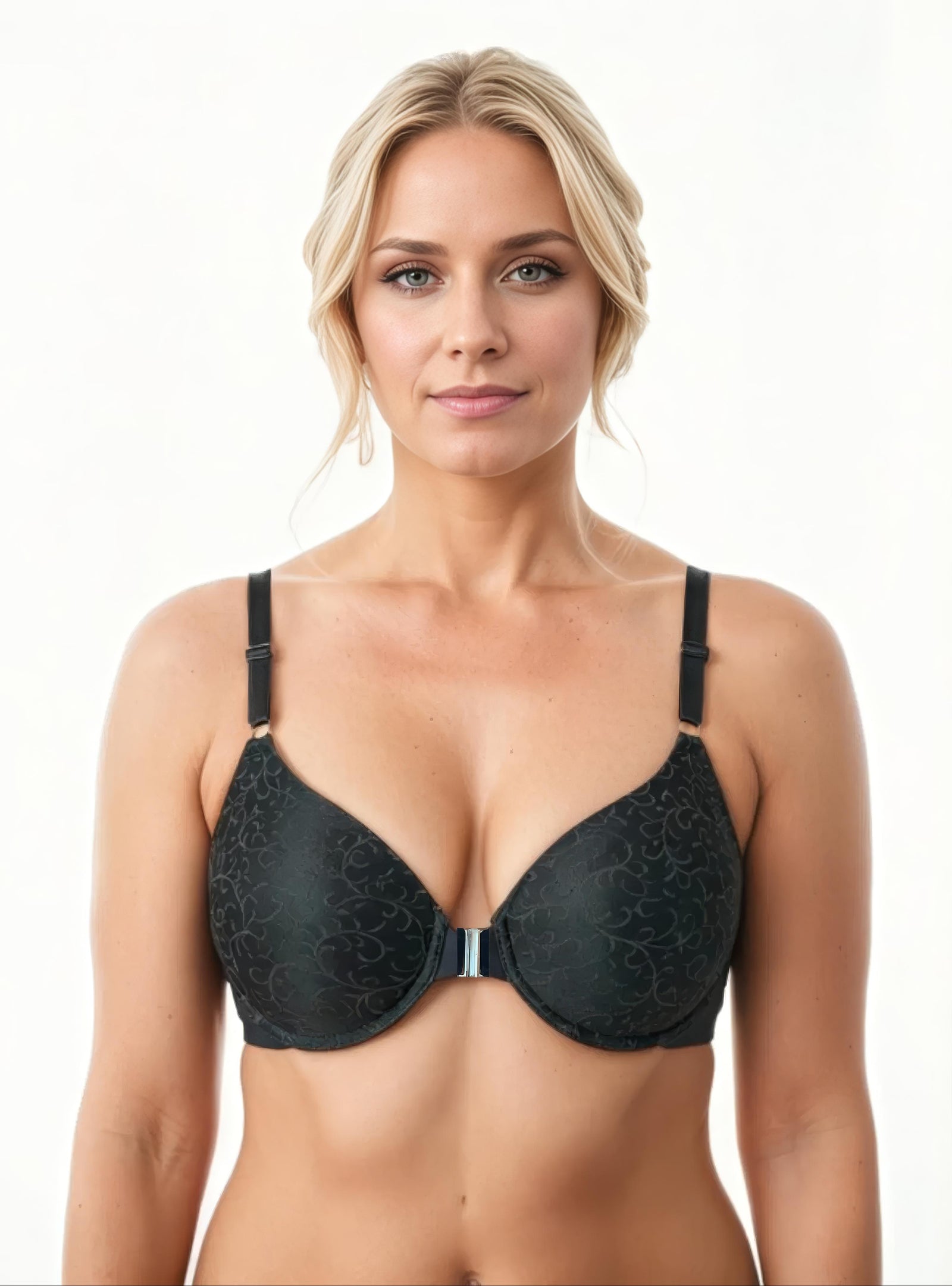
Side support refers to design features that help guide breast tissue inward and upward rather than letting it spread toward the underarm. That might sound subtle, but on the body, it changes quite a bit. A bra with effective side support often creates a more centered silhouette, reduces side overflow, and helps tops, dresses, and knits fall more smoothly.
This matters for comfort as much as appearance. When breast tissue is better contained and centered, the bra can feel more balanced. Straps may dig less. The band may feel more stable. You may also notice less shifting during the day, especially if you are fuller-busted or have softer tissue that tends to migrate outward.
Not every bra labeled supportive gives true side support. Some offer strong lift but still leave the sides exposed. Others cover more area without actually shaping it. The difference comes down to construction.
The most helpful side-support bras usually share a few key elements, and each one affects fit a little differently.
A taller side panel gives the bra more reach along the outer bust and underarm area. This can help contain tissue that would otherwise spill over or sit outside the cup. It is especially helpful for women who feel like standard bras cut in at the side.
That said, taller is not always better if the fabric is stiff or the armhole is too high. The goal is smoothing and containment, not rubbing. A well-cut side panel should feel secure without poking the underarm when you sit, drive, or move your arms.
Full-coverage cups often work well with side support because they hold more of the breast inside the bra from multiple angles. This can reduce the need to constantly adjust during the day. If you have ever leaned forward and felt like everything shifted sideways, fuller coverage can help prevent that.
Coverage alone is not enough, though. If the cup is too large or too closed at the top, it may gape. Good side support should shape and hold, not just cover.
Some bras include an internal panel along the outer edge of the cup. This detail helps push breast tissue forward for a more centered look. It is one of the most effective construction features for women who want less side spread.
This can be a great option if you like shape and separation but do not want a heavily structured bra. In many cases, the support is built in quietly, without making the bra feel bulky.
If the band rides up or shifts, side support will not do its job well. The band anchors the entire bra, so stability around the body matters. Wider bands and smoothing back designs can improve the overall result by reducing movement and creating a cleaner line from front to back.
This is where many women see the biggest difference. Side support works best when it is part of a whole-bra solution, not just a single panel added to an otherwise flimsy bra.
Almost anyone can appreciate a smoother fit, but side support tends to matter most in a few common situations.
If you have a fuller bust, side support can help prevent that outward pull that makes the chest look wider under clothing. If you have softer tissue, whether from age, weight changes, or pregnancy, it can help gather and shape more comfortably. If you notice bulging near the underarm even when your bra size seems right, side support may solve the issue better than sizing up.
It can also help if your tops tend to fit strangely through the chest. Sometimes the problem is not your shirt at all. It is the way the bra is distributing tissue underneath it.
These two ideas are often confused, but they are not the same. Compression presses tissue down or in. Side support guides tissue inward and helps hold it in a more centered position. A bra can do one, the other, or both.
If you want a natural shape with everyday comfort, side support is often the better place to start. Heavy compression can flatten the bust or feel restrictive, particularly in warm weather or during long wear. On the other hand, a light compression style with good side support can feel secure and smoothing without making you feel squeezed.
This is also why some women prefer wire-free options with thoughtful construction over traditional underwire bras. The support does not have to come from rigid hardware alone. It can come from smart seaming, fuller coverage, and a body-smoothing design that supports from all around.
A good side-support bra will not fix every fit problem, but it can improve several common ones. Side spillage is the obvious example, but there are others. If your straps constantly feel overworked, your cups seem to point outward, or your silhouette looks broader than you want under fitted clothing, side support can make a noticeable difference.
It may also help with comfort near the underarm. That only works if the bra is the right size and shape for you, of course. If the cup is too small, the side panel may simply trap overflow. If the band is too loose, the whole bra may slide around. Supportive construction still needs a solid fit foundation.
One useful check is to look at yourself in a fitted top after putting the bra on properly. Scoop all breast tissue into the cups, settle the band level around your body, and then see how your clothing falls. If the side area looks smoother and the bust looks more centered, the bra is doing its job.
The biggest mistake is focusing only on cup size or underwire style. Many women assume that if a bra is full coverage or labeled minimizing, it will automatically provide side support. Sometimes that is true, but often it is not. A minimizer may reduce projection without actually improving side containment. A full-coverage bra may cover more skin while still allowing tissue to drift outward.
Another issue is overly stretchy fabric at the sides. Stretch can feel comfortable at first, but if there is no structure to hold and guide, the support may disappear after a few hours of wear. Softness matters, but so does engineering.
And be careful with bras that solve one problem by creating another. A very high side wing might smooth beautifully but irritate the underarm. A very firm compression bra might control movement but feel tiring by midday. The best option is the one you will actually want to wear for more than an hour.
This is where side support becomes more than a cup feature. When a bra smooths the back and sides as part of the overall design, the result tends to look better and feel better. You are not just pulling tissue inward at the cup edge. You are creating a more continuous, stable fit around the body.
That is especially helpful for women who are frustrated by visible bra lines, side bulges, or loose skin along the back and underarm area. A bra that supports from multiple directions can reduce the need for constant adjusting and help clothing skim instead of cling. Shapeez built its reputation on this exact kind of problem solving - support that does not stop at the front.
You should feel held, not pinched. The sides should look smoother, but your bra should not feel like armor. Your bust should look more centered under clothing, and the band should stay in place without demanding all the work from your shoulders.
Most of all, you should stop thinking about your bra. That is often the clearest sign that the fit is working. When side support is done well, it does not just improve how you look in a top or dress. It lets you move through your day with less adjusting, less tugging, and a lot more confidence.
If your current bras leave you spilling, shifting, or smoothing one area while ignoring another, side support is worth paying attention to. The right bra can change the line of your clothes, but more importantly, it can change how comfortable and put-together you feel wearing them.