Your Cart is Empty



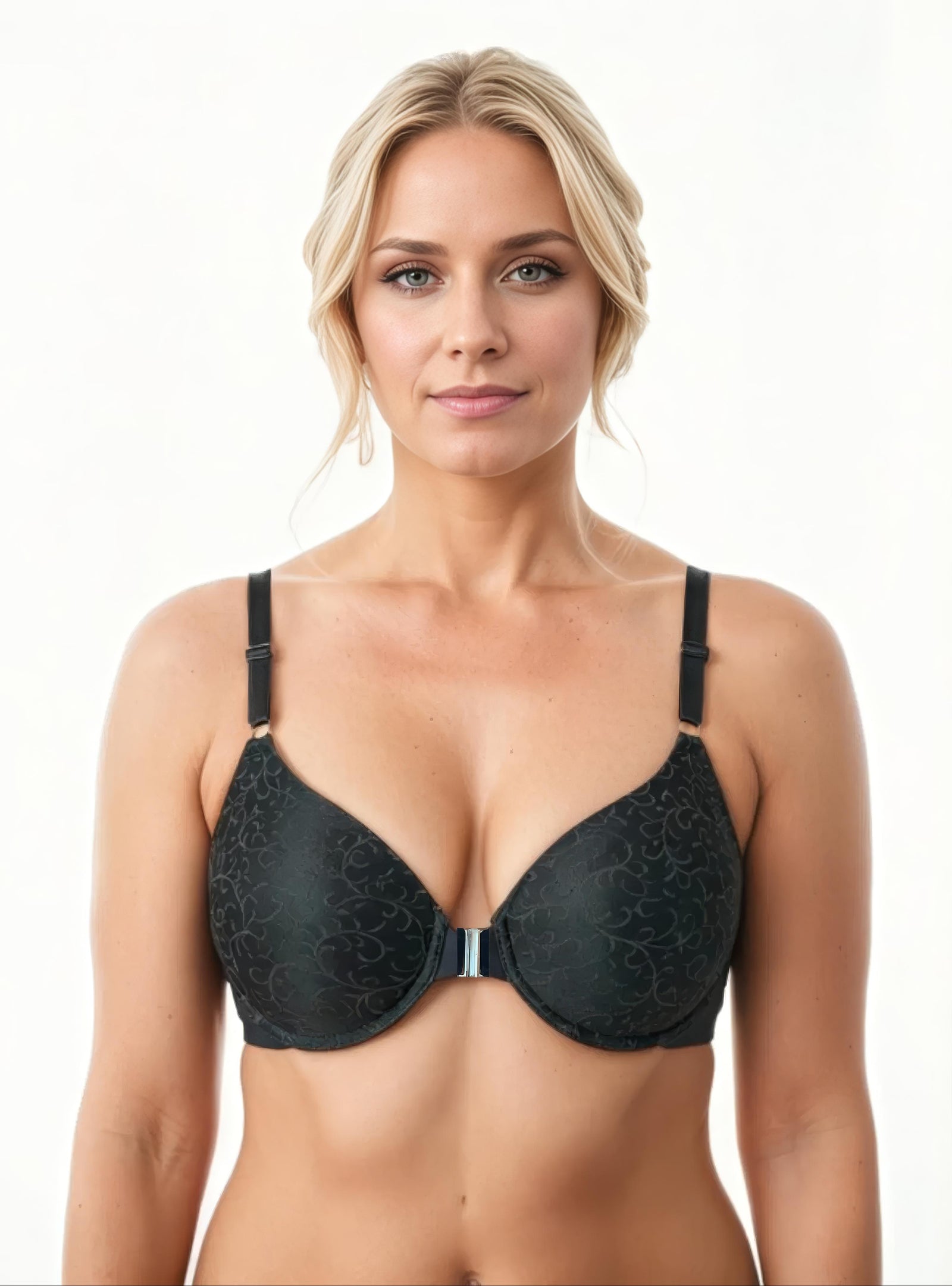
A bra should not require a shoulder stretch, a twist, and a deep breath before your day has even started. Learning how to choose front closure bras starts with understanding what makes them different: the closure sits where you can see and reach it, while the back can stay smooth, supportive, and comfortable beneath your clothes.
For many women, that convenience is only part of the appeal. The right front-close bra can make getting dressed easier, provide dependable coverage, and create a cleaner look under tops and dresses. The wrong one, however, can feel too tight at the neckline, offer too little support, or create a shape that does not work for your body. A better fit comes down to a few practical details.
Front closure bras are especially helpful when reaching behind your back is difficult or uncomfortable. This may be due to shoulder stiffness, arthritis, limited mobility, recovery needs, or simply a preference for an easier morning routine. They are also a smart choice for women who dislike the feel and appearance of traditional back hooks.
But easy fastening is not the only reason to choose one. Because the back does not need a hook-and-eye panel, many front-close designs can create a smoother back silhouette. That matters when you want less bulk, fewer visible lines, and a bra that lets your clothing fall more cleanly.
First, decide what you need most from the bra. If your priority is everyday comfort, look for soft fabric, wide straps, and wire-free support. If you want shaping under fitted clothing, a fuller-coverage style with smoothing construction may be the better match. For a fuller bust, support and cup containment should lead the decision, not the convenience of the clasp alone.
A front closure should lie flat against the center of your chest. It should feel secure when closed, but it should not press, pinch, or pull the cups inward. If the closure bows away from your body, the band may be too large or the cups may not be offering enough room. If it digs in or feels strained, the band may be too small, the cup may be too shallow, or the bra may not suit your breast shape.
The band is still the foundation of support, even when it closes in front. It should sit level around your torso rather than riding up your back. You should be able to take a full breath comfortably, but the band should not slide when you raise your arms or move through your day. A bra that shifts is unlikely to deliver the lift and smoothing you expect.
Pay close attention to the cups. Your breast tissue should be fully contained, with no spilling at the top, sides, or center. Gaping can mean the cup is too large, but it can also mean the cup shape is wrong for you. If you have softer tissue, a molded cup may leave space even in the right size, while a flexible non-foam cup may conform more naturally.
Straps should support without doing all the work. If they leave deep marks or constantly fall, check the band and cup fit before tightening them further. A supportive band and well-fitted cups allow straps to rest comfortably on the shoulders rather than carrying the entire load.
Do not judge fit only while standing still in front of a mirror. Fasten the bra, then sit down, reach forward, lift your arms, and gently twist side to side. The front closure should stay flat, the band should remain in place, and the cups should continue to contain you without rubbing or shifting.
This simple check is especially useful with front closures because the center clasp is a fixed point. Unlike a traditional back closure that may offer several adjustment settings, many front-close bras have one closure position. That means choosing the right band size from the beginning matters even more.
Not all front closures work the same way. Some use a hook-and-eye design, while others use a clasp, magnetic closure, zipper, or snap-style fastening. The best option depends on your hand strength, dexterity, daily activities, and comfort preferences.
A clasp can be quick and easy once you learn the motion, while hook-and-eye closures may feel familiar and offer a more traditional feel. Zippers can be convenient for activewear or lounge styles, but they should include a secure backing and lie smoothly under clothing. If you are considering magnets, make sure they are appropriate for your personal health circumstances, particularly if you use a medical device that could be affected by magnetic closures.
Whatever style you choose, the closure should feel secure without requiring force. You should be able to fasten and unfasten it independently. A bra is not truly convenient if getting out of it at the end of a long day becomes a struggle.
Front closure does not automatically mean light support. The support level comes from the overall construction: the band, cup design, straps, side panels, fabric recovery, and whether the bra includes underwire.
For fuller busts, look for full-coverage cups, wider underbands, supportive side panels, and straps that are broad enough to distribute weight comfortably. A front-close bra with a racerback or wide-back design can also help keep straps in place and provide a more anchored feel. Underwire may offer added definition and lift, while wire-free styles can be a wonderful choice when comfort and flexibility are the priority.
For everyday wear, it helps to think about your wardrobe. Smooth foam cups can create a polished shape beneath T-shirts and lightweight knits. Non-foam cups may feel cooler, lighter, and less bulky, especially if you prefer a more natural look. A longline silhouette can add stability and smoothing through the underbust area, while a shorter style may be preferable under shorter tops or if you want less coverage around the torso.
If back and side bulge are a regular frustration, do not focus on the front closure alone. Look for a bra designed with a wider, smoothing back and thoughtfully placed side coverage. Shapeez front-closure styles pair easy-on access with the brand’s signature smoothing approach, so you can get dressed with less reaching and feel more comfortable in the clothes you already love.
The front closure often sits at the center of the neckline, so it can affect what you can wear over the bra. A higher center front may provide more coverage and containment, particularly for a fuller bust. It can also work beautifully beneath crewnecks, button-downs, and everyday tops.
A lower neckline can be more flexible under V-necks and open-collar shirts, but it may offer less center coverage. If you tend to spill toward the center or prefer a more secure feel, a higher-coverage design is usually the safer choice.
Think about fabric, too. A smooth front closure and flat seams are helpful under thin or fitted clothing. Decorative hardware, thick zipper pulls, or raised details may show through a lightweight top. That does not make them wrong - it simply means they may be better saved for sweaters, casual layers, workouts, or at-home comfort.
The small construction choices are often what separate a bra you tolerate from one you reach for repeatedly. Soft, breathable fabric can make a meaningful difference during warm days or long hours of wear. Moisture-wicking materials are useful if you run warm, while a soft-lined closure can prevent rubbing at the center front.
Look for wide straps if narrow straps tend to dig. Seek out no-roll hems if you have dealt with bands that curl upward. If you are sensitive to underwire, a well-engineered wire-free bra can provide comfort without giving up the coverage and smoothing that make you feel supported.
There is no single best front closure bra for every woman. A style that feels perfect for someone with a smaller bust, narrow shoulders, or a short torso may not offer the same experience for someone who needs more containment, has broader shoulders, or prefers less compression. Your body is not the problem. The construction simply needs to work with it.
Size up in the band if the bra feels uncomfortably restrictive around your rib cage, the closure digs in, or you cannot wear it through a normal day without counting the minutes until you take it off. If the band rides up or feels loose, a smaller band may help, provided the cups still fit correctly.
Size up in the cup if you spill over the top or sides, the center closure pulls apart, or your breast tissue feels compressed. Try a smaller cup if there is persistent empty space that does not improve after adjusting the straps and settling your breast tissue into the cups.
Sometimes neither size change solves the issue. If a front closure sits too high, presses on your sternum, or creates an unflattering shape despite trying the right size, choose a different silhouette. A different cup style, a wider center panel, a wire-free design, or more flexible fabric can make all the difference.
The best front closure bra is the one you can fasten with ease, wear without distraction, and trust to support you from the first errand to the last thing on your calendar. When the fit is right, you spend less time adjusting your bra and more time feeling like yourself.