Your Cart is Empty





A foam cup should do more than add shape. It should help your bra disappear under clothing, support your bust without adding unwanted bulk, and leave you feeling comfortable long after you get dressed. Knowing how to select foam cups starts with identifying the kind of support and silhouette you want - not simply choosing the thickest option on the rack.
For many women, especially those tired of visible bra lines, nipples showing through lightweight tops, or cups that collapse and wrinkle, the right foam cup brings welcome polish. The wrong one can feel stiff, look too rounded, create gaping at the neckline, or add volume where you do not want it. Here is what to look for so your bra works with your body and your wardrobe.
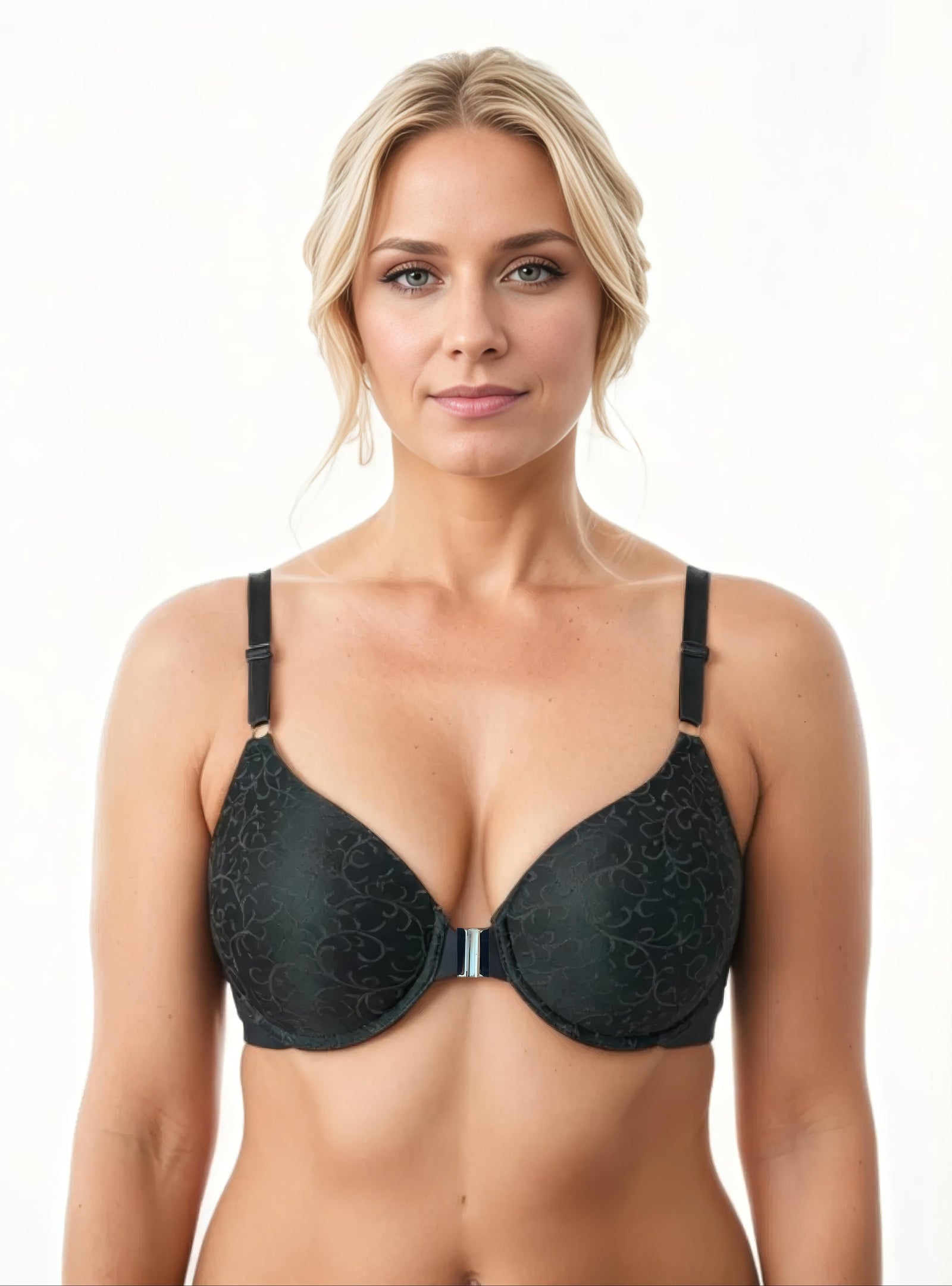
Foam cups are shaped, padded cups built into a bra. They help create a consistent silhouette, offer modesty under thin fabrics, and can provide light structure even when the bra does not have an underwire. They are different from a thin, unlined fabric cup, which follows the natural shape of the breast more closely.
Not all foam cups are designed to make the bust look larger. Many are lightly lined for coverage and shape rather than lift. Others are molded to maintain a rounded profile, while spacer foam options are often lighter and more breathable. The best choice depends on what you want your bra to solve.
If you want a smooth look under fitted knits, T-shirts, or blouses, a lightly molded foam cup can be a dependable everyday choice. If you prefer a more natural, less structured appearance, a thin foam cup or non-foam style may feel better. There is no single right answer - comfort, breast shape, and clothing all matter.
Start with the purpose of the bra. A foam cup that feels perfect under a work top may not be your favorite for sleeping, lounging, or a hot summer day. Think about the outfits you wear most and the fit frustrations you would most like to leave behind.
“Foam cup” can describe everything from a whisper-thin lining to noticeable padding. Look beyond the name and consider how much structure the cup provides.
Lightly lined foam cups are ideal when you want coverage without a dramatic change in size or shape. They can prevent show-through, keep the cup looking smooth, and offer a clean finish under clothing. This is often the sweet spot for women who want a polished silhouette but do not want a padded-bra look.
Thicker foam or push-up padding can add fullness and lift. That may be useful if your breasts are less full on top or you enjoy more cleavage in lower-cut clothing. But extra padding can also make a full bust feel larger, warmer, or less natural. If your priority is comfortable coverage and a balanced shape, more padding is not automatically better.
A foam cup must sit smoothly against your breast to look and feel right. When it does, the cup’s edge lies flat, the breast fills the cup without spilling over, and there is no empty space or wrinkling.
If you have softer breast tissue, have experienced weight changes, or notice less upper fullness than you once had, a flexible foam cup can help create a smooth, lifted line. If your breasts are naturally full and projected, look for cups with enough depth. A shallow molded cup can press the breast inward or create overflow at the top and sides, even when the size on the tag seems correct.
Pay attention to the neckline, too. Full-coverage foam cups are often easier to wear when you want containment and a secure feel. A lower-cut cup may be more versatile under certain tops, but it has less coverage and may not be the best match for fuller or softer tissue.
Some molded foam cups hold a firm, pre-set shape. They can look beautifully smooth under a T-shirt, but a rigid cup may not adapt well if one breast is slightly different in size or if your shape changes throughout the month.
A softer foam cup has more give and often feels less restrictive. It can be especially appealing when comfort is your top priority or when you want the ease of a wire-free bra. The trade-off is that it may offer less pronounced lift and shaping than a firmer molded style.
For everyday wear, the goal is not a perfectly sculpted look at the expense of comfort. It is a cup that supports you, moves with you, and stays smooth from the first meeting of the day through the last errand.
A beautiful foam cup cannot compensate for a band that rides up, sides that roll, or straps that dig. Your band provides most of the bra’s support, while the cups shape and contain the bust. When the band is too loose, the cups may shift, gap, or feel heavier on the shoulders.
For a smoother look under clothing, consider the entire bra construction. Wide side panels, fuller backs, and a supportive underband can help reduce the appearance of back and side bulges while keeping the cups in their proper position. This is especially valuable if you have been frustrated by conventional bras that create visible lines across your back.
Shapeez designs its bras with patented 360° smoothing construction, pairing support with a more polished back and side silhouette. That matters because comfort should not require choosing between a supportive cup and a smooth-looking finish.
When trying on a foam-cup bra, fasten it on the loosest hook so you have room to tighten the band as it naturally relaxes over time. Lean forward slightly, guide each breast fully into the cup, then stand upright and adjust the straps.
A good fit should give you a smooth, secure feeling. The center front should sit close to the body in many underwire styles, the band should stay level around the torso, and the cup should hold the breast without cutting in. With wire-free bras, the center may not sit as firmly against the chest - what matters most is that you feel supported and contained.
Watch for these common foam-cup fit signals:
Foam adds structure, but it can also hold warmth. If you run warm, live in a humid climate, or need a bra for all-day movement, breathable fabrics and lighter foam can make a noticeable difference. Spacer foam is often a smart option when you want a molded look without the density of traditional padding.
For sleep, lounging, or relaxed days at home, many women prefer soft, wire-free support with minimal foam. For workwear, special occasions, and thin tops, a smooth molded cup may offer more confidence. Building a bra wardrobe with more than one cup style is practical, not excessive - different days call for different kinds of support.
Care also affects how long foam cups keep their shape. Hand washing is gentlest. If you use a machine, place bras in a lingerie bag, use cool water and a delicate cycle, then air dry. High heat can weaken elastic and distort foam, shortening the life of a bra that otherwise fits beautifully.
The best foam cup does not announce itself by midday. It does not pinch at the sides, create an exaggerated shape you do not recognize, or leave you counting down until you can take it off. It gives you coverage, support, and a smoother line so you can focus on what you are wearing - and how confidently you feel in it.
Your body may prefer light foam for one outfit and a more structured cup for another. Give yourself permission to choose the level of shaping that feels like you, because a supportive bra should help you feel held, comfortable, and beautifully at ease.