Your Cart is Empty





A bra can look beautiful on a hanger and still feel like the first thing you want to take off at 3 p.m. That is why intimate apparel trends are moving away from fussy details and toward something women have wanted all along: dependable support, a smooth silhouette, and comfort that lasts through a real day.
For women who are tired of straps that dig, bands that roll, hooks that pinch, or back lines that show through a favorite top, this shift is more than a fashion moment. It is a better standard for getting dressed. The most meaningful changes in intimate apparel are designed around how clothing fits, how bodies move, and how confidence feels when you are not constantly adjusting your bra.
For years, lingerie trends often centered on a particular look: dramatic lace, barely-there fabrics, or complicated strapping. Those pieces still have a place for someone who enjoys them, but everyday shoppers are asking more useful questions. Does it smooth under a knit top? Can I wear it for hours? Will it support a fuller bust without feeling restrictive? Can I put it on without a struggle?
The answer is showing up in thoughtful construction rather than extra decoration. Wider bands, fuller coverage, softer performance fabrics, and silhouettes that replace multiple layers are becoming more desirable. This does not mean intimate apparel has to be plain. It means the best pieces earn their place in a drawer by making the rest of a wardrobe work better.
Comfort also looks different from person to person. A woman with a fuller bust may need substantial lift and cup coverage. Someone navigating post-weight-loss loose skin may prioritize a smooth back and side profile. Another shopper may simply want a wire-free option that does not flatten her shape. The strongest trend is not one silhouette. It is choice built around real fit needs.
A smooth finish under clothing is no longer viewed as an optional shapewear benefit. It is increasingly expected from an everyday bra. Traditional bras can create a sharp line across the back, especially when a narrow band carries all the tension. That pressure can cause the band to dig in, creating the very bulge many women are trying to avoid.
Newer designs distribute support across a broader area. A longline back, a carefully engineered fabric panel, and a no-roll hem can help create a more even transition from bra to skin. The goal is not to change a body. It is to make the garment work with it, so a T-shirt, blouse, or dress can fall more smoothly.
This is where construction matters more than marketing language. Light, stretchy fabric may feel soft at first, but it may not offer enough hold for all-day wear or a larger cup size. Firmer smoothing fabrics can provide more control, though the right piece should still allow comfortable movement and breathing. The best balance depends on how much support you need and what you plan to wear over it.
Shapeez helped define this category with its patented 360-degree back-smoothing bra construction, designed to replace visible lines and back bulge with a more polished, supported fit. That kind of problem-solving design reflects where the category is headed: less tolerance for bras that look fine from the front but disappoint everywhere else.
A wider back is not just about appearance. It spreads tension over more surface area, which can reduce the concentrated pressure associated with narrow bands. For women whose bras tend to ride up, pinch at the sides, or leave deep marks after a few hours, this can be a meaningful difference.
Fit still matters. A smoothing back that is too loose will not provide the support it was designed to deliver, while a size that is too small can create pressure and discomfort. Measure regularly, especially after weight changes, hormonal shifts, pregnancy, or changes in activity level. Your bra size is useful information, not a permanent identity.
Wire-free bras have moved far beyond the old idea of a soft bralette with little structure. One of the most useful intimate apparel trends is the rise of wire-free designs that use smart seaming, molded cups, supportive underbands, strategically placed stretch, and shaping panels to create lift without an underwire.
For some women, an underwire remains the best option, particularly when they want pronounced lift or a very defined shape under tailored clothing. A well-fitted underwire bra is not automatically uncomfortable. But wire-free alternatives are increasingly able to meet everyday support needs without the rigid pressure point of a wire.
This makes wire-free styles especially appealing for long workdays, travel, lounging, recovery periods, and anyone who finds underwires irritating. The trade-off is that a wire-free bra may create a softer profile than a structured underwire style. That is not a flaw. It is simply a different kind of support, and often the right one for a relaxed wardrobe or a comfort-first day.
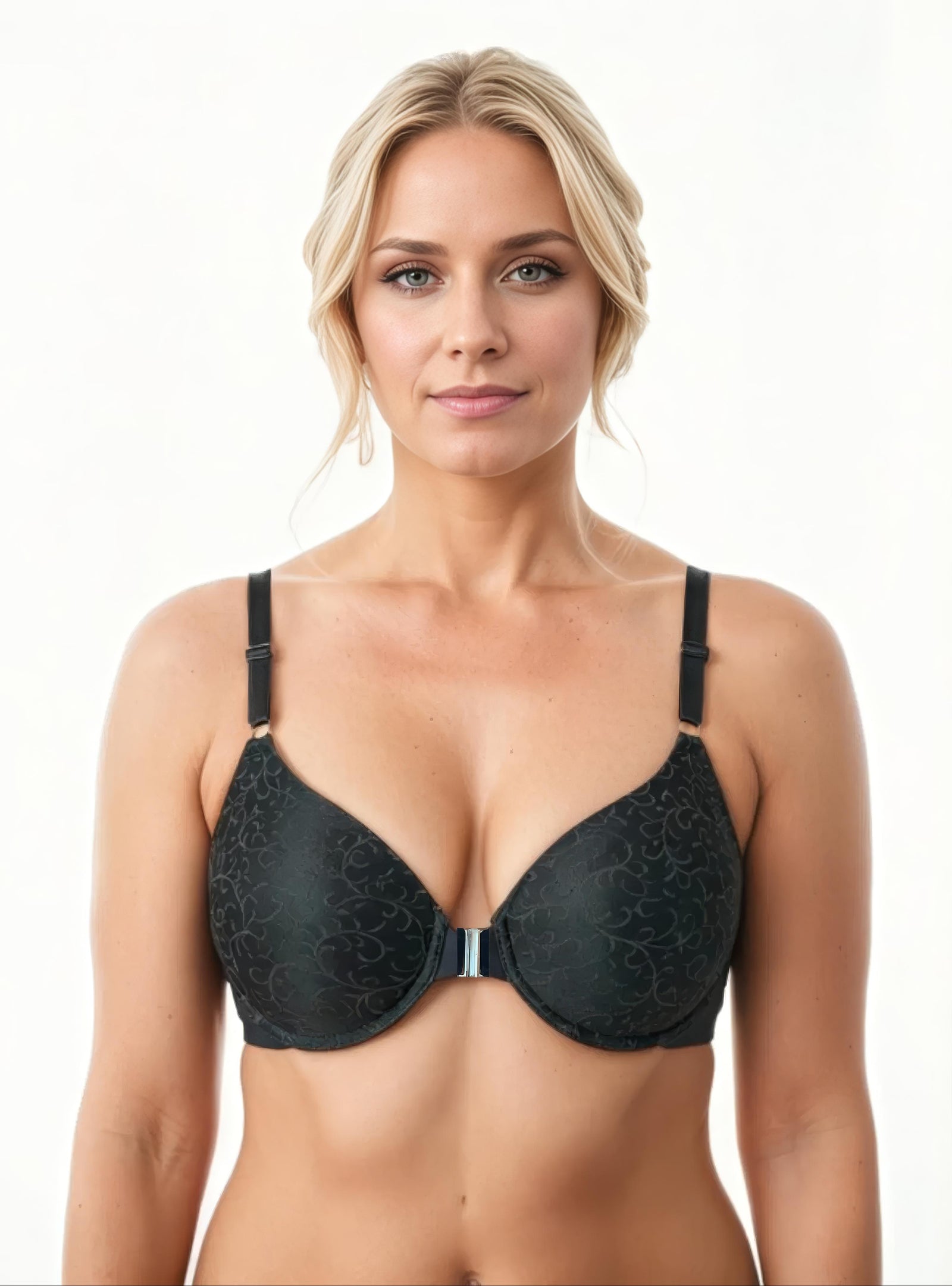
Ease is another form of comfort. Front-closure bras continue to appeal to women who dislike reaching behind their backs, have limited shoulder mobility, or simply want a faster way to get dressed. A secure front closure can be particularly helpful when paired with a smoothing back that stays flat under clothing.
The detail to watch is the closure design itself. It should feel secure without poking, pulling, or creating a bump under thinner tops. If you wear lower necklines, consider where the closure sits and whether it works with the tops and dresses you wear most often.
Layering a bra, camisole, and shaping garment can feel like too much fabric before the day even begins. That is why bra-and-slip hybrids, tank-style bras, and longline smoothing bras are gaining traction. They offer support and coverage in one piece, which can simplify dressing while reducing the bunching that comes with multiple layers.
These styles are particularly useful under dresses, fitted sweaters, and lightweight fabrics that reveal every seam. A longer silhouette can help smooth the upper torso and keep the garment anchored, while built-in bra support eliminates the need to coordinate separate pieces.
As with any longer garment, the hem is important. A poorly designed hem can roll upward, especially when sitting or bending. Look for construction intended to stay in place, and consider how the length works with your torso. Petite shoppers may prefer a shorter style, while others may appreciate additional coverage through the midsection.
Comfort-focused fabric is becoming a major differentiator. Moisture-wicking materials, soft brushed finishes, breathable mesh zones, and flexible recovery fabrics help intimate apparel feel better in warmer weather, during busy days, and through changing body temperatures.
The most useful fabrics do two jobs at once: they feel gentle against skin while retaining enough structure to support the garment. Very thin fabrics can be cool and lightweight, but they may show more nipple texture or offer less shaping. Foam cups can provide a smoother finish under fitted clothing, while non-foam cups can feel lighter and more natural. Neither is universally better. Your wardrobe and personal comfort should lead the decision.
There is also a growing preference for details that disappear under clothing. Flat seams, tag-free finishes, covered elastic, and clean edges may sound small, but they can determine whether a bra becomes an everyday favorite or stays at the bottom of the drawer.
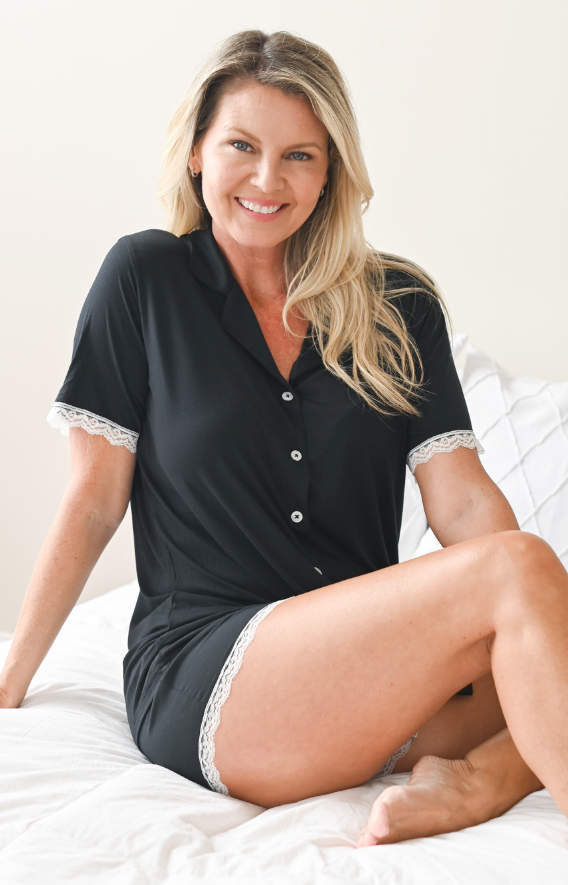
The line between intimate apparel and loungewear has softened. Women increasingly expect sleep sets, lounge bras, and soft separates to feel put together enough for a slow morning at home, an overnight trip, or answering the door without feeling underdressed.
The key is not to turn every pajama set into shapewear. Sleepwear should prioritize ease, softness, and freedom of movement. But a gentle shelf bra, adjustable straps, or a more supportive lounge silhouette can be welcome for women who prefer some coverage and light support even at home.
This category also makes a thoughtful gift choice when fit is considered carefully. A beautiful pajama set can be practical, personal, and wearable long after a special occasion. Just avoid guessing on sizing when possible. Comfort is difficult to give if the garment is too tight or too loose.
Start with the problem you want a garment to solve. If visible back lines frustrate you, prioritize a wide smoothing back. If underwires bother you, try a structured wire-free bra rather than settling for an unsupportive bralette. If you want fewer layers under dresses, consider a bra-and-slip or tank-style option.
Then think about your most-worn clothing. The perfect bra for a scoop-neck T-shirt may not be the right choice for a button-down shirt or formal dress. Build from the pieces you actually reach for, not from an idealized version of your closet.
Finally, give yourself permission to choose comfort without apologizing for it. Supportive intimate apparel is not about hiding your body or forcing it into a trend. It is about wearing pieces that let you move through the day with fewer distractions, smoother lines, and a little more confidence every time you get dressed.