Your Cart is Empty




You tighten your straps a little, hoping the bra will lift better, and an hour later your shoulders are aching. If you’ve ever wondered why do bra straps dig, the answer usually is not that your straps are the problem. It is that the rest of the bra is not doing its share of the work.
That matters more than many women realize. Straps should help stabilize the bra, but they should not carry most of the weight of your bust. When they do, you end up with red marks, sore shoulders, and a bra that never feels quite right no matter how many times you adjust it.
The most common reason bra straps dig is poor support coming from the band. In a well-fitting bra, the band should provide most of the support around your torso. If the band is too loose, too stretchy, or simply not designed to anchor well, the straps start overcompensating. That extra pull presses down on the tops of your shoulders and creates the digging feeling.
Cup fit can also be part of the issue. If the cups are too small, breast tissue can push forward or spill out, which changes how the bra distributes weight. The straps then get tugged harder because the bra is trying to manage more volume than the cups were built to hold. On the other hand, cups that are too large can let the bra shift and slide, which leads many women to tighten the straps too much in an effort to feel secure.
Strap width and construction matter too. Narrow straps can feel especially harsh on fuller busts because they concentrate pressure into a smaller area. That does not automatically mean every woman needs the widest possible strap, but if you need more support, a thin strap on a conventional bra may not be enough.
There is also a design issue that often gets overlooked. Many traditional bras rely on a very small structure to do a very big job. A narrow band, small side wings, and thin straps can leave too much weight concentrated in a few pressure points. If you are dealing with fuller breasts, soft tissue at the back and sides, or changes from age, weight fluctuation, or menopause, that design can become even less comfortable.
Shoulder grooves are the most obvious sign, but they are not the only one. If you constantly pull your straps up, retighten them during the day, or feel your bra sliding down in front while the straps dig in back, the support system is off balance.
Another clue is when loosening the straps makes the bra feel unsupportive right away. That often means the band is not doing enough. The straps have been carrying the load, so the moment you give your shoulders relief, the whole bra seems to stop working.
If your back band rides up, that is another classic fit problem. A rising band usually means the band is too loose, and loose bands almost always make straps work harder than they should.
Because size is only part of fit. Two bras with the same labeled size can feel completely different depending on the materials, the shape of the cups, the placement of the straps, and how the bra spreads support around the body.
This is especially true for women who want smoothing as well as support. A bra may technically fit your bust measurement but still create pressure points if it does not smooth the back and sides or if it cuts into soft tissue. When that happens, the garment can shift throughout the day, and the straps often get tightened to compensate.
Body changes also affect fit in ways that a size tag cannot capture. Breasts can become fuller at the sides, softer in shape, or heavier relative to the ribcage over time. Skin may also become more sensitive to pressure. So a bra style that felt fine years ago may now leave deep shoulder marks even if you are buying the same nominal size.
This is where many women get trapped. When the bra feels unsupportive, tightening the straps seems logical. You want more lift, less movement, and a more secure feel under clothing. But tighter straps often create a short-term fix and a long-term discomfort problem.
Instead, start with the band. It should sit level around your body and feel snug enough to anchor support without feeling restrictive. If the band moves easily upward in back, it may be too loose. If it feels painfully tight, the cups may actually be too small and forcing the band to work harder than it should.
Then look at the cups. Breast tissue should sit fully inside the cups without spilling, gaping, or getting pushed into odd places. A good cup fit helps the bra support from underneath and around the bust rather than hanging weight from the shoulders.
After that, adjust the straps so they sit comfortably against the body without bearing the load. A simple check is whether you can slide a finger under the strap without a struggle. You want contact, not compression.
Sometimes the issue is not that you are wearing your bra wrong. It is that the bra was never designed to distribute support in a comfortable way.
If you have a fuller bust, a smaller frame, loose skin at the back or under the arms, or a strong preference for full coverage, conventional bra engineering can fall short. A narrow band and separate strap system may create lift, but they can also create concentrated strain. That is often why women say their shoulders hurt by the end of the day even though they have tried multiple sizes.
This is where broader support construction can make a real difference. A bra that smooths 360 degrees, covers more of the back and sides, and stabilizes the bust through the body of the garment instead of relying mostly on straps can relieve those pressure points. You are not just changing a size. You are changing how support is delivered.
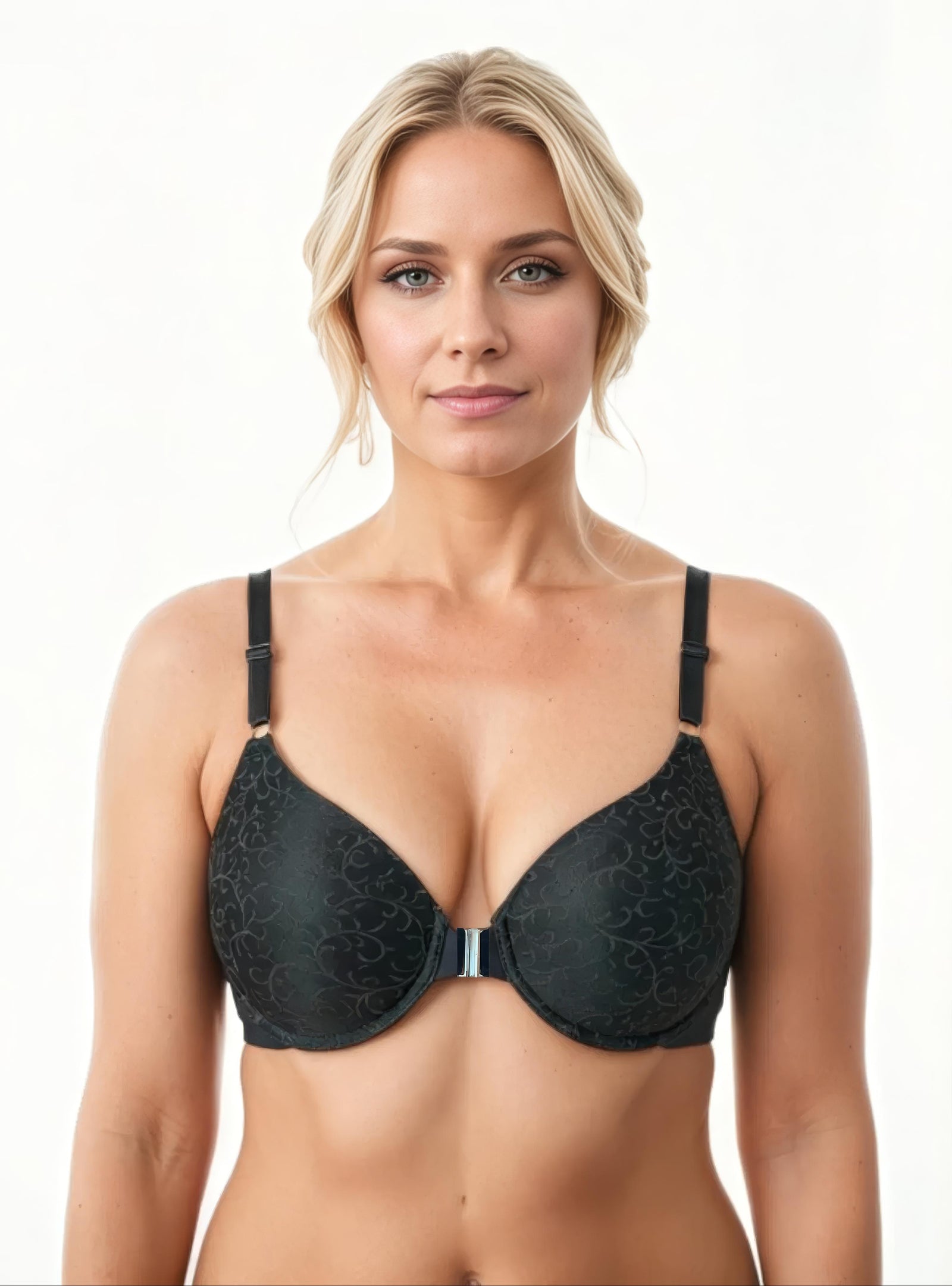
For many women, front-closure styles, tank-style bras, or bras with wider back coverage feel better for exactly this reason. They spread support over a larger area, reduce shifting, and often minimize the need to overtighten straps. Shapeez built its back-smoothing bra category around that kind of problem-solving design, because comfort and support should work together.
If your straps are leaving marks every day, it is worth treating that as a fit issue, not something you just have to tolerate. First, loosen the straps and reassess the band. Then check whether the cups are containing your bust properly. If either is off, strap tension will not solve it.
Next, pay attention to the bra’s architecture. Wider straps can help, but wider straps alone are not a cure if the rest of the bra lacks structure. Look for full-coverage support, smoothing side and back panels, and designs that hold the bust through the torso rather than suspending everything from the shoulders.
Fabric matters too. Supportive, stable materials often feel better than flimsy stretch fabrics that lose tension quickly. If a bra feels comfortable for 20 minutes in the dressing room but starts shifting after a few hours, the materials may not be strong enough for all-day wear.
And yes, there is a trade-off. Some ultra-light bras feel barely there at first, but they may not provide enough support to prevent strap strain. Meanwhile, more structured bras can feel more secure and balanced, but only if the fit and design are right. The goal is not the least bra possible. The goal is support that feels lighter because it is distributed well.
A lot of women have been taught to accept shoulder pain, red marks, and constant adjusting as normal. It is common, but it is not the standard you should have to live with. If your straps dig, your bra is giving you useful information.
Usually, that message is simple: your shoulders are doing work your bra should be doing for you. The right fit and the right construction can change how your clothes look, how your body feels, and how confident you are moving through the day.
If you have been blaming your shoulders, blame the engineering instead. A better bra should support you without asking your straps to carry the whole story.