Your Cart is Empty





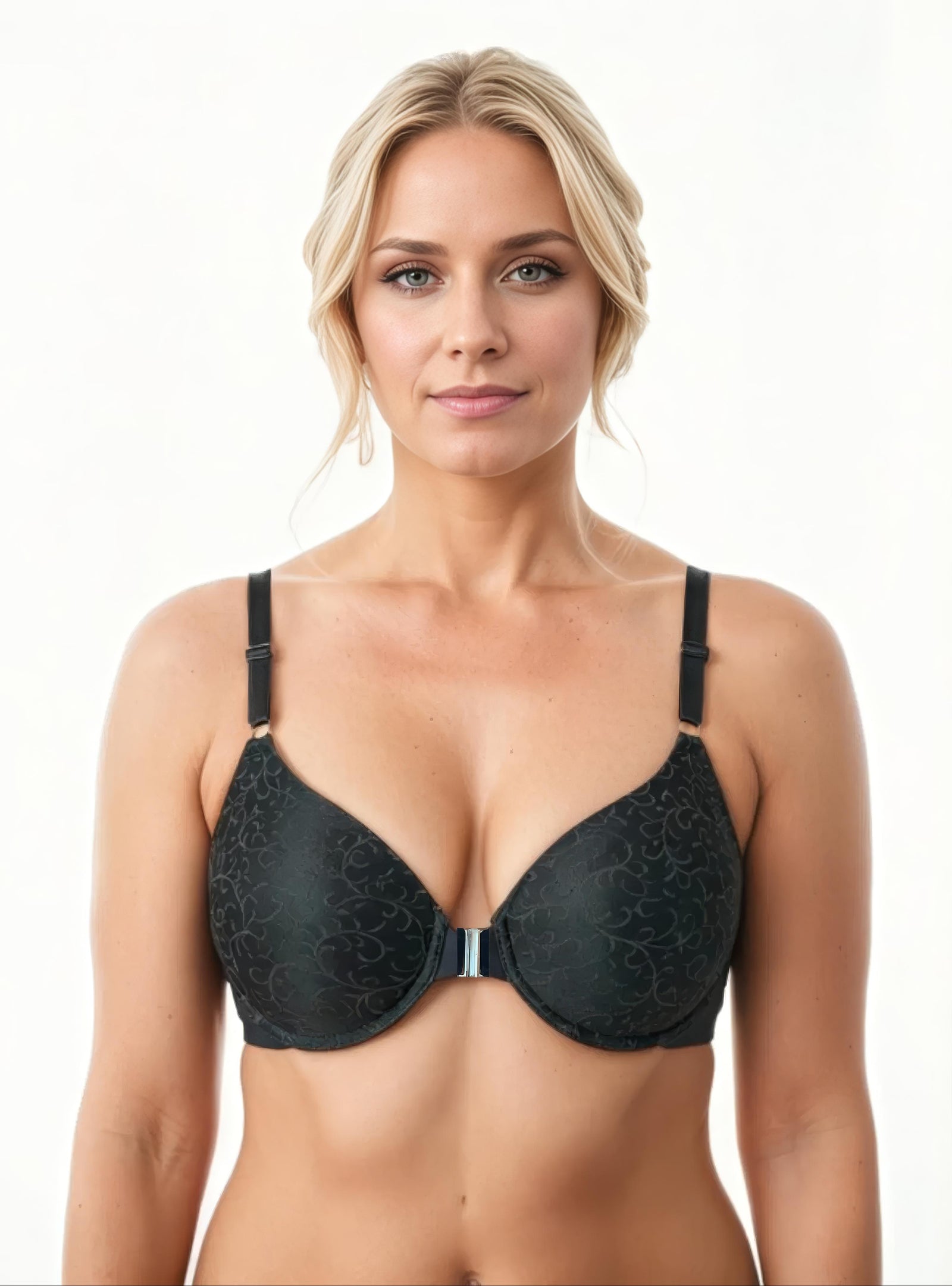
A minimizer bra should make getting dressed feel easier, not like a compromise between a smoother silhouette and being able to breathe. The right minimizer compression comparison starts with one simple truth: compression is not one-size-fits-all. The level that feels beautifully supportive to one woman may feel restrictive to another, especially when bust size, breast shape, sensitivity, and the outfit you are wearing all come into play.
Minimizing is about redistributing breast tissue across the chest to create a more balanced profile. It is not about flattening your shape or forcing your body into a smaller version of itself. When the construction is right, your clothes can lie more smoothly, buttons can stay put, and you can feel supported from morning to evening.
Compression describes how firmly a bra holds and distributes breast tissue. In a minimizer, that control can reduce forward projection, create a more even line beneath clothing, and help a fuller bust look more proportional in fitted shirts, dresses, and structured jackets.
But compression is only part of the fit story. A bra can have firm fabric and still feel comfortable when it has enough coverage, well-placed support, flexible stretch, and a band that stays put without digging. On the other hand, a bra with very little compression may feel soft at first but offer too little control for a fuller bust or a tailored top.
The goal is not the highest level of compression. It is the level that gives you the shape, support, and comfort you need for your real life.
Light-compression minimizers gently guide breast tissue without creating a noticeably compressed feeling. They are often a comfortable choice for women who want a natural shape, have some sensitivity around the rib cage, or prefer an easygoing bra for errands, travel, and relaxed workdays.
This level can smooth the look of the bust under knits and casual tops, but it may not significantly reduce projection under a crisp button-down. If your biggest concern is comfort and a soft, rounded silhouette, light compression can be exactly right. If you are trying to prevent gaping between shirt buttons, you may want more structure.
For many women, medium compression offers the most useful balance. It provides noticeable redistribution and support without the firm hold associated with more intensive shaping garments. Under blouses, T-shirts, and dresses, it can create a smoother profile while still allowing your bust to look natural and feel comfortably supported.
Medium compression is often a strong place to start if you have been disappointed by traditional minimizers that feel stiff, overly flattening, or heavy. Look for full-coverage cups and a supportive underband, because these features help the bra manage volume without asking the fabric alone to do all the work.
Firm-compression minimizers are designed for women who want the most visible reduction in forward projection and a highly controlled silhouette. They can be especially helpful under tailored button-downs, formal dresses, close-fitting tops, or any outfit where you want your bust to sit closer to the body.
Firm does not have to mean uncomfortable, but fit matters more here. A band that is too small, cups that are too shallow, or straps that carry too much weight can make firm compression feel like pressure instead of support. Choose this level when smoothness and containment are your top priorities, then give yourself time to assess how it feels through a full day rather than just a few minutes in the fitting room.
A common fit frustration is choosing a bra for its minimizing claim and then finding that it does not provide enough lift or stability. Compression controls the bust from the front. Support holds the bust up and keeps the bra secure around the body. You need both.
For fuller busts, support often comes from a combination of full-coverage cup design, a stable underband, wider or well-engineered straps, and side construction that keeps tissue centered. Underwire can provide defined lift, but it is not the only route to reliable support. A well-designed wire-free bra can also deliver a secure, flattering fit when the band and fabric work together.
Back and side smoothing matter, too. A bra that minimizes at the bust but cuts into the back can create new lines under clothing. Shapeez was built around patented 360-degree smoothing construction because the most flattering fit considers the whole silhouette, not just the front view.
Think first about the clothing that gives you trouble. If lightweight tees cling at the bust but you otherwise like your natural shape, light or medium compression may be enough. If button-downs pull across the chest or fitted dresses make you feel too projected, medium or firm compression can provide a more streamlined look.
Your preferred shape matters just as much. Some women want a softly rounded bust. Others prefer a lower-profile, more contained effect. Neither is better. The best minimizer is the one that helps you feel like yourself in the clothes you already own.
Also consider when you plan to wear it. A firm minimizer may be your favorite for presentations, events, or polished outfits, while a medium-compression style may become your dependable daily bra. Having more than one level is not excessive. It is practical wardrobe planning, much like choosing different shoes for walking, working, and dressing up.
A minimizer should feel secure, never punishing. If you are constantly adjusting, counting the hours until you can take it off, or seeing deep marks that remain long after removal, the compression level or size may be wrong.
Watch for breasts spilling over the top or sides of the cups, tissue being pushed downward, a band that rolls, straps that dig, or a flattened shape that does not feel flattering to you. These are not signs that you need to tolerate a tighter bra. They usually signal that you need more cup room, a different band size, less compression, or a different bra construction.
A proper minimizer fit keeps breast tissue fully contained, lets the center of the bra rest comfortably against the chest when applicable, and stays level around your torso. You should be able to take a full breath, move your arms freely, and sit without feeling pinched.
Do not judge a minimizer by cup compression alone. Cup shape determines whether your breast tissue is contained and comfortably distributed. A shallow cup can make a bra feel too compressive even when the band is correct, while a cup with enough depth can create a smoother result with less pressure.
Band fit is equally important. The band supplies much of the support, so it should feel secure and level without riding up. If you size up in the band just to escape discomfort, you may lose the stability that keeps the bra from shifting. In many cases, the better adjustment is a larger cup, a different style, or a fabric with more flexibility.
Finally, pay attention to the edges. Smooth hems, supportive side panels, and coverage that does not cut across breast tissue can make the difference between a bra that looks good for ten minutes and one that works through a long day.
The most confidence-building minimizer is not the one that makes you look smallest. It is the one that gives you a smooth, supported shape while letting you move through your day without thinking about your bra at all.